Overview
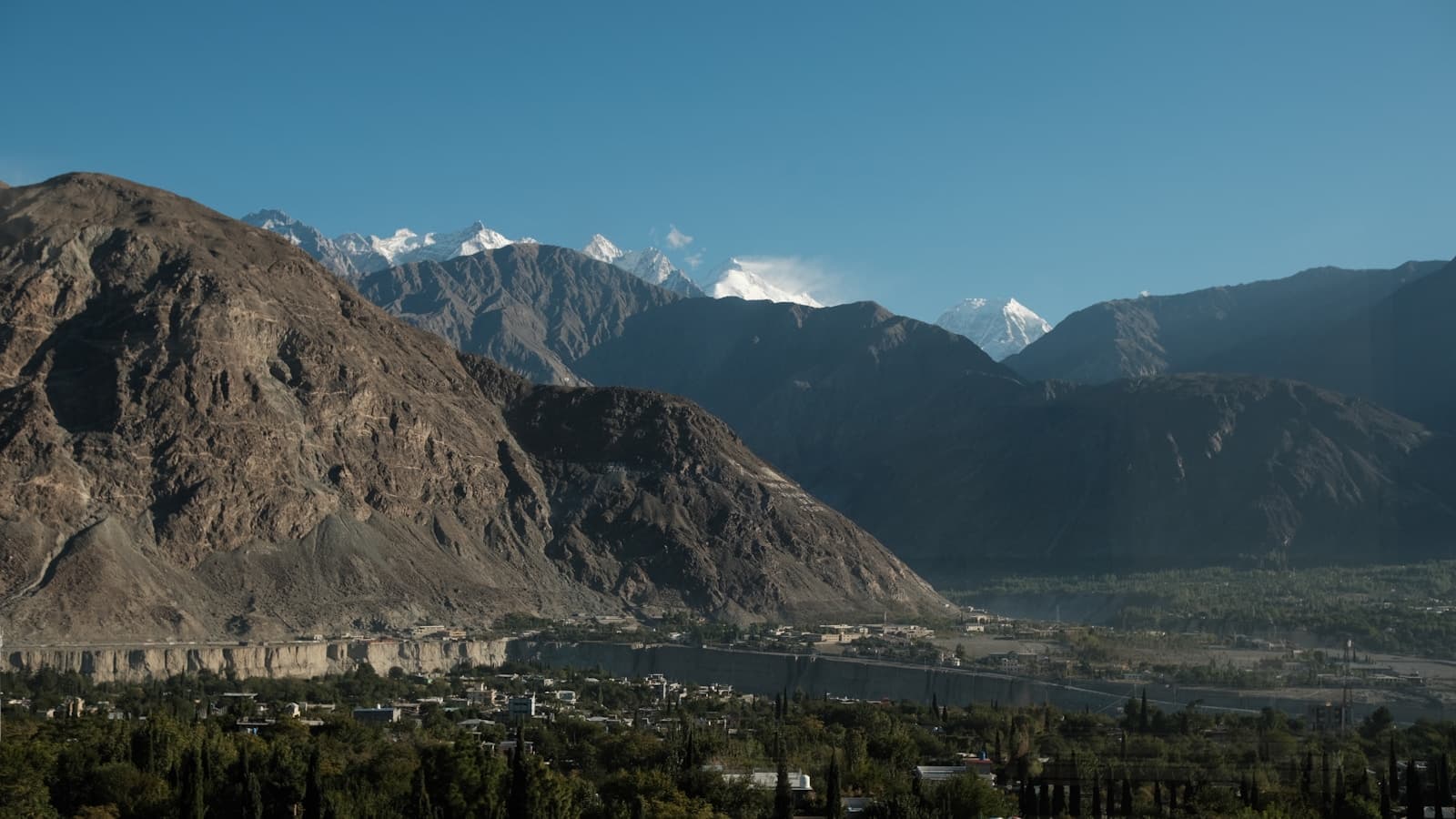
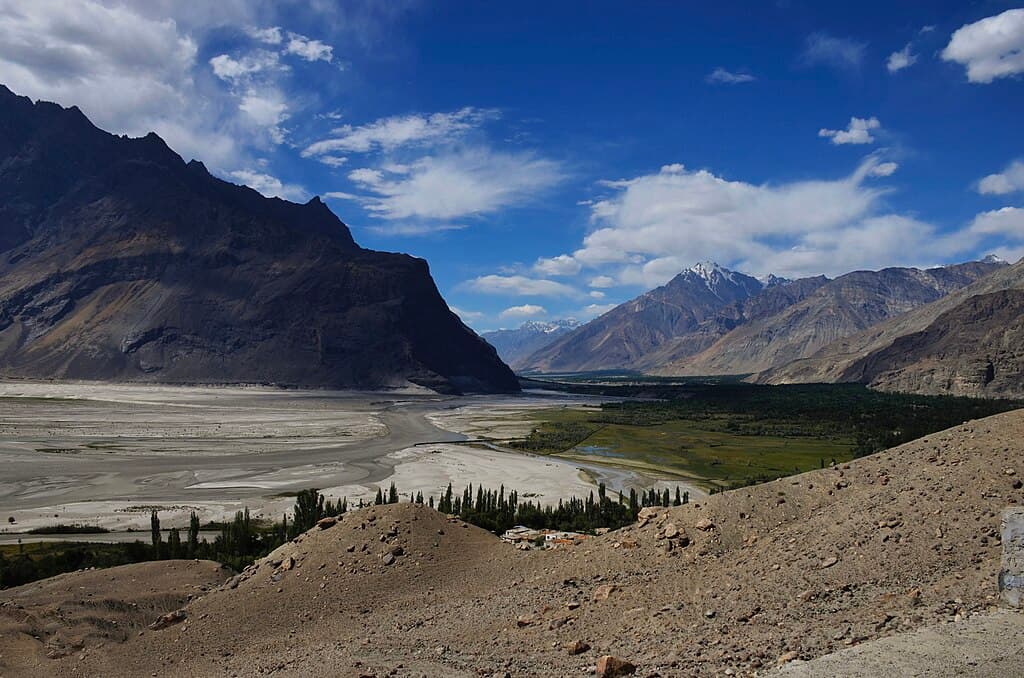
Shigar Valley branches off the Indus about 30 kilometres east of Skardu. The Shigar River runs through poplar-lined fields and apricot orchards that have been cultivated here for centuries. The valley feels untouched in a way that increasingly few places do.
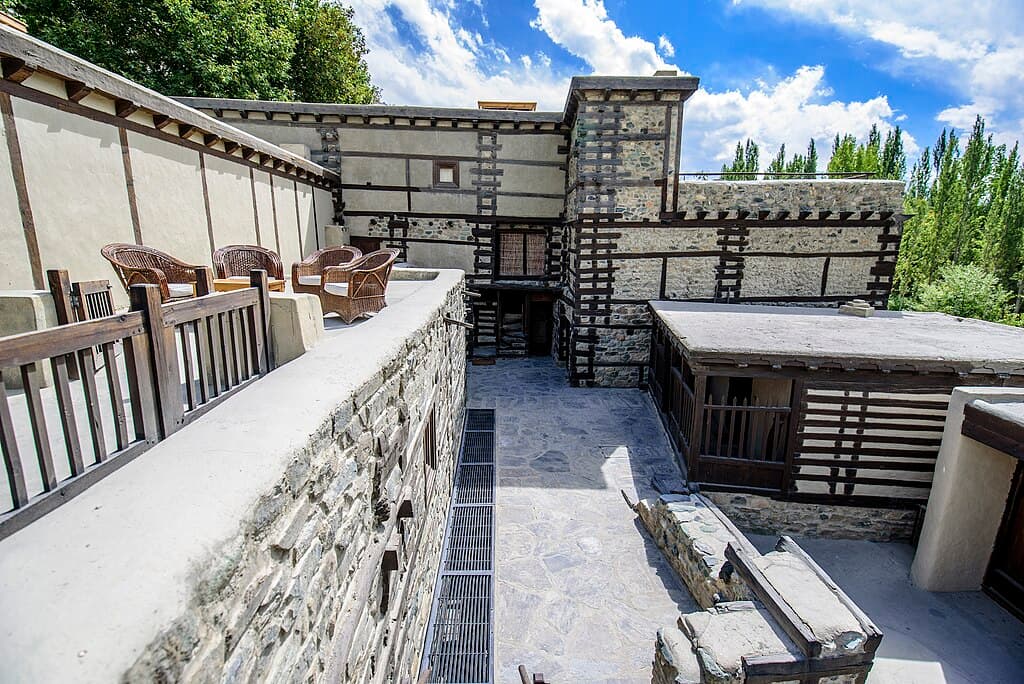
At its heart is Shigar Fort: a 17th-century palace that served as the seat of the Amacha dynasty for 400 years. The Aga Khan Trust for Culture restored it meticulously in the late 1990s and early 2000s, turning it into a heritage hotel that is, without exaggeration, one of the most extraordinary places to sleep in Pakistan.
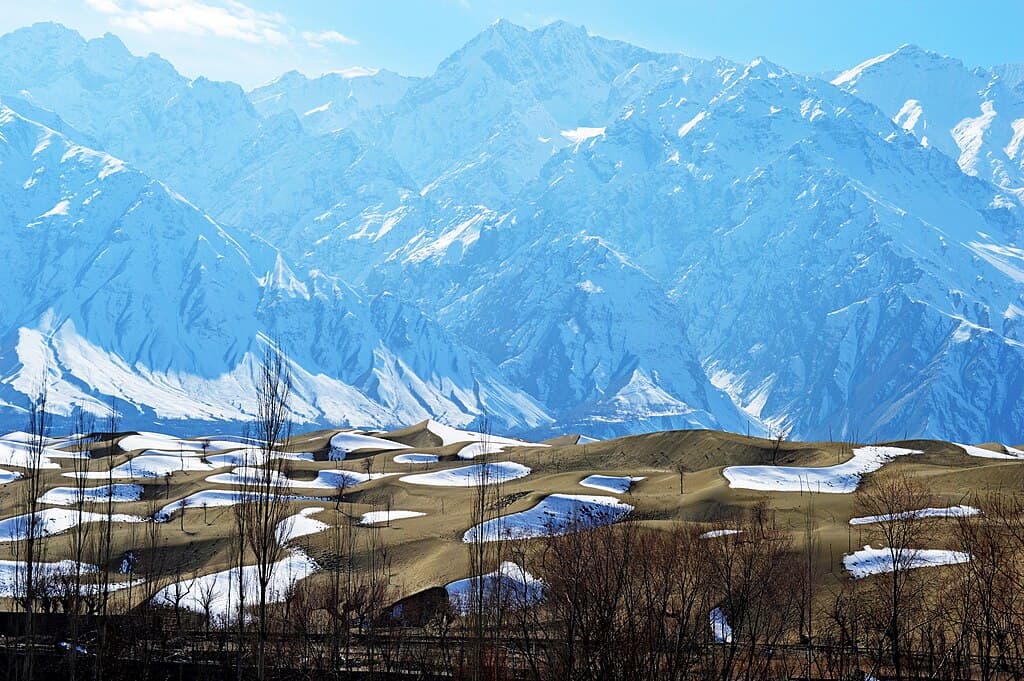
Beyond the fort, Shigar is the entry point for the Sarfaranga Cold Desert: an otherworldly landscape of sand dunes rising directly beneath the permanent snows of the Karakoram. The juxtaposition is difficult to comprehend until you're standing in it.
What to See
Pakistan's most impressive heritage hotel. Even if you're not staying, the fort museum and gardens are open to visitors during the day. The rooms inside look like stepping into a living Mughal miniature: carved wooden screens, hand-painted ceilings, river views from the terrace.
The approach to the desert passes through the fort town and into an increasingly austere landscape until the dunes appear, backdropped by permanent snowfields. Best in late afternoon light when the shadows lengthen across the sand. Camel rides available for the traditionalists among you.
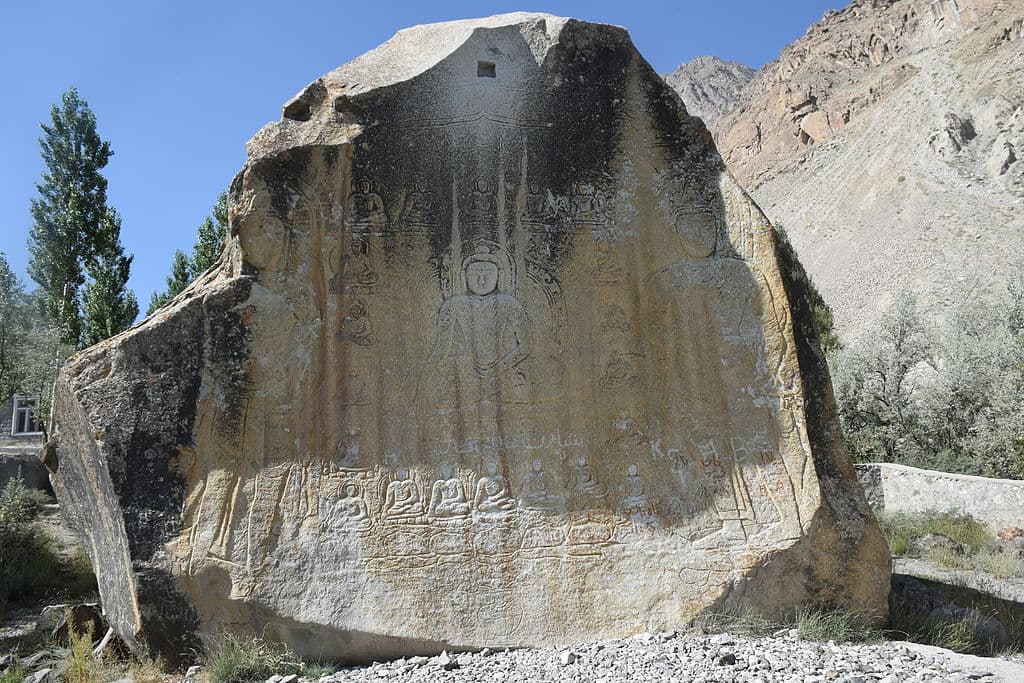
A 7th-8th century Buddhist relief carved into a riverside boulder: evidence of Shigar's pre-Islamic history when Tibetan Buddhism shaped this entire region. Often overlooked because it requires knowing to look for it. Raahi includes it on itineraries specifically because it's worth seeing.
Walk through the old village and you're walking through apricot, mulberry, and walnut orchards that have been here for generations. In spring (April-May) they blossom spectacularly. In summer they're green and shaded. In autumn the apricots dry on flat rooftops in the sun: a specific smell you won't forget.
Planning
Shigar is 30 minutes from Skardu city and works well as a full-day trip: leave after breakfast, spend the day exploring the fort and desert, return for dinner. This is what most guests do.
Staying overnight at the Shigar Fort Palace is a completely different experience. You have the fort largely to yourself in the evenings and mornings when day-trippers are gone. The breakfast in the fort garden with mountain light is something we recommend to anyone who has the budget and the time.
Raahi includes Shigar in all multi-day Skardu itineraries. Whether you stay or day-trip depends on your schedule and preferences: we build both variations regularly.
Common Questions
Shigar Valley is famous for Shigar Fort Palace: a 400-year-old Balti fort restored by the Aga Khan Trust and now operating as a heritage hotel. It is also known for the Sarfaranga Cold Desert, sand dunes at high altitude surrounded by permanent snowfields and mountain peaks.
Approximately 30km, about 45 minutes by road. The drive follows the Shigar River and passes through small Balti villages. Commonly visited as a day trip from Skardu or as an overnight stop at Shigar Fort Palace.
Yes. A day trip covers the fort and cold desert in about 6 hours. Staying one or two nights lets you experience the valley without day-trippers: the fort garden in the early morning, the cold desert at golden hour, and the deep quiet of Shigar at night are the parts that most visitors who rush through miss.
Shigar Fort Palace (Serena Hotels) is the heritage option: rooms inside a restored 400-year-old fort with a Mughal garden. It books up well in advance during peak season (June to September). Reservations 2-3 months ahead are advisable. Several guesthouses in Shigar town are available as budget alternatives.
From the Travel Guide
Plan Your Visit
Get in touch and we'll plan it around your dates, group, and pace.
Plan Your Trip