Overview
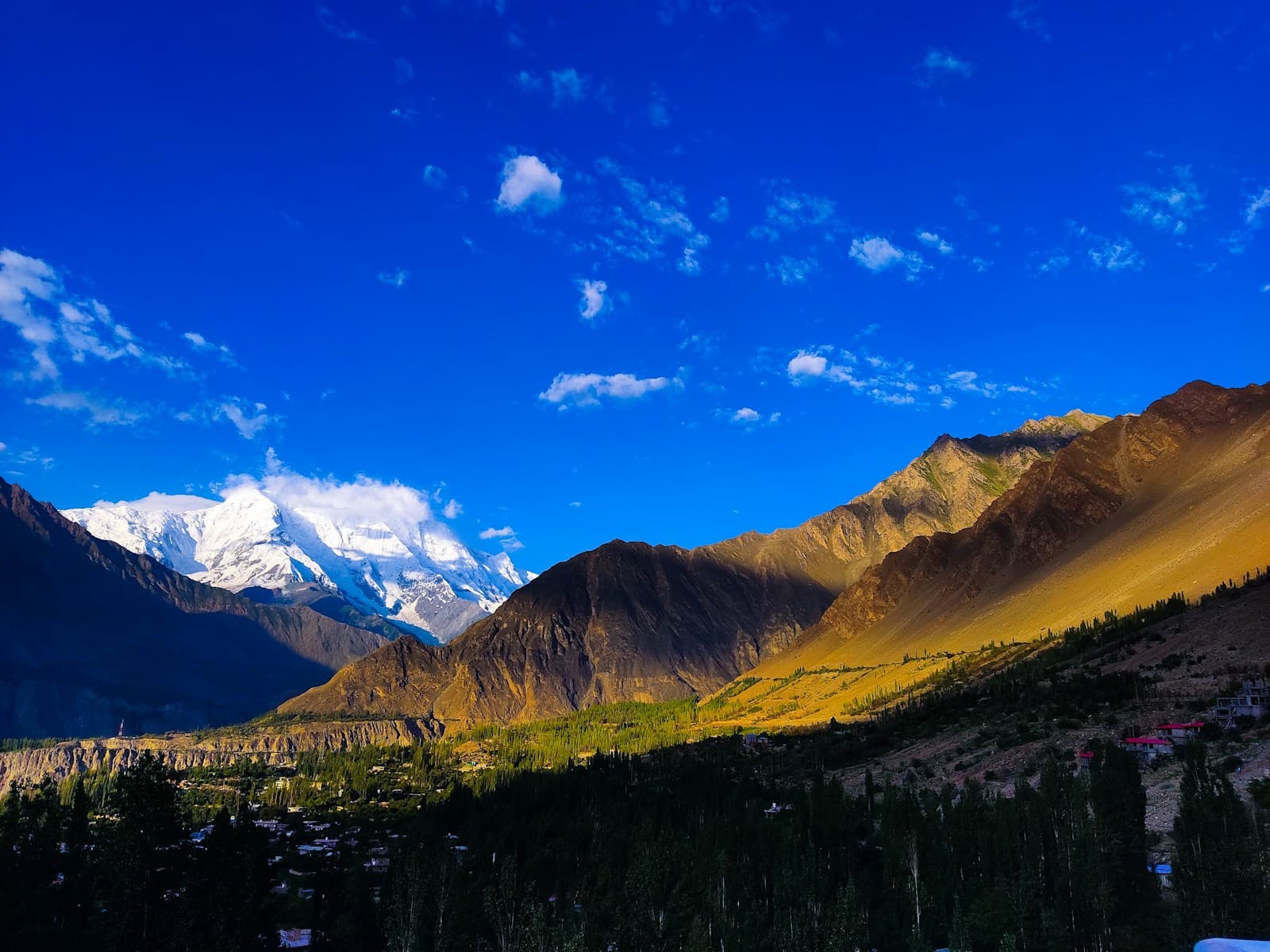
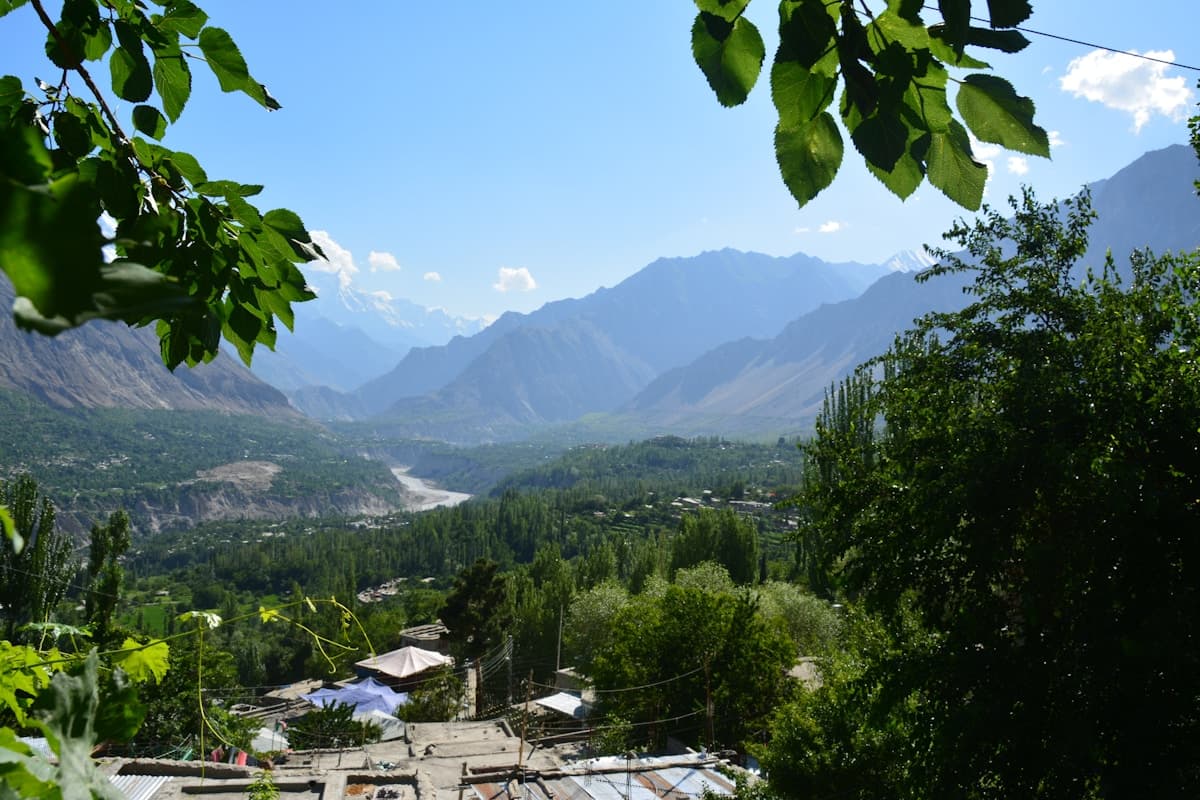
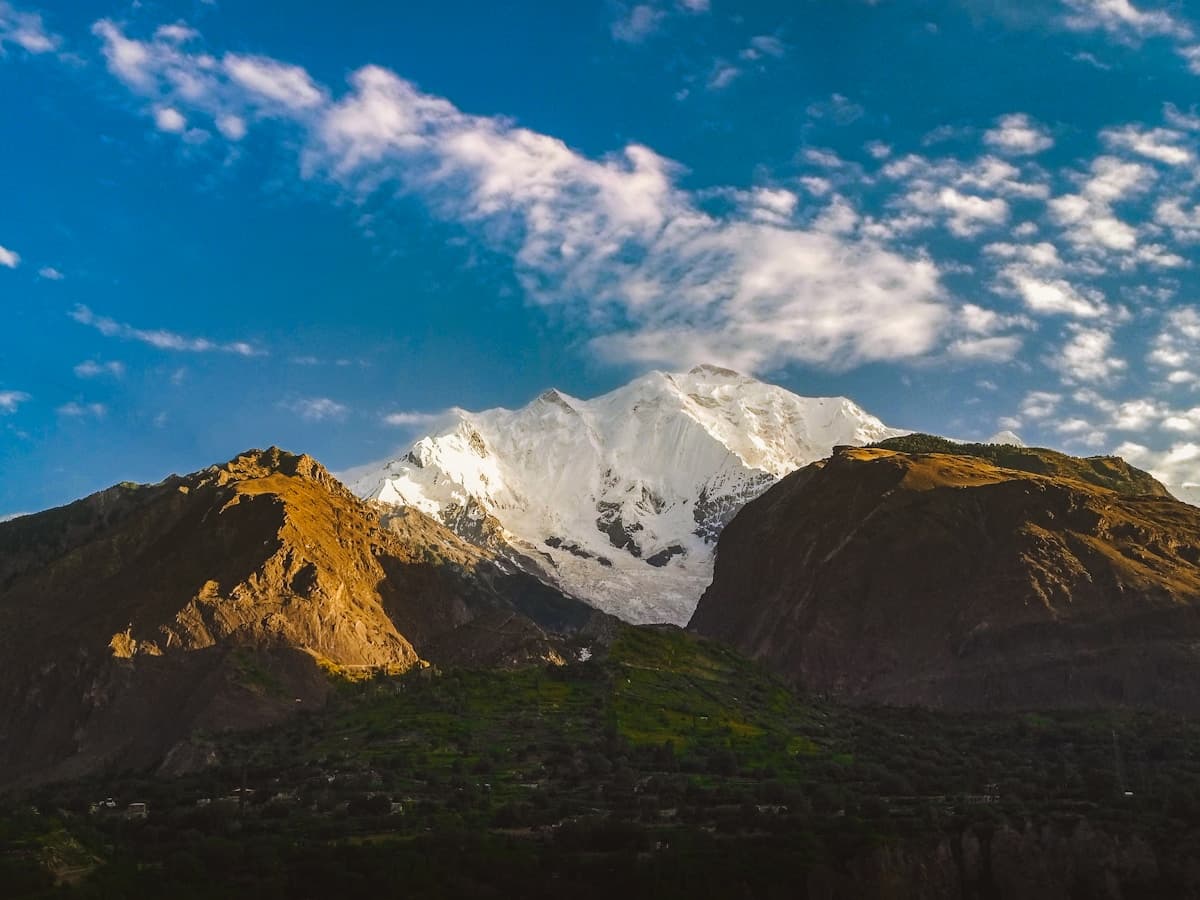
Hunza is the valley that made Pakistan famous to international travellers. Karimabad, the main town, sits at 2,438m with Rakaposhi (7,788m) and Ultar Sar (7,388m) forming its backdrop: one of the most dramatic mountain-town juxtapositions on earth.
The valley was an independent kingdom for centuries: the Hunza Mirs ruled here until 1974. The legacy of that long, separate history is visible in the ancient forts, the distinct Burushaski language, and the valley's famously warm hospitality.
Hunza is usually visited as part of a combined Skardu-Hunza itinerary with Raahi, though it absolutely merits a standalone trip for those with less time. The drive from Gilgit to Karimabad along the Karakoram Highway is itself a destination.
What to See
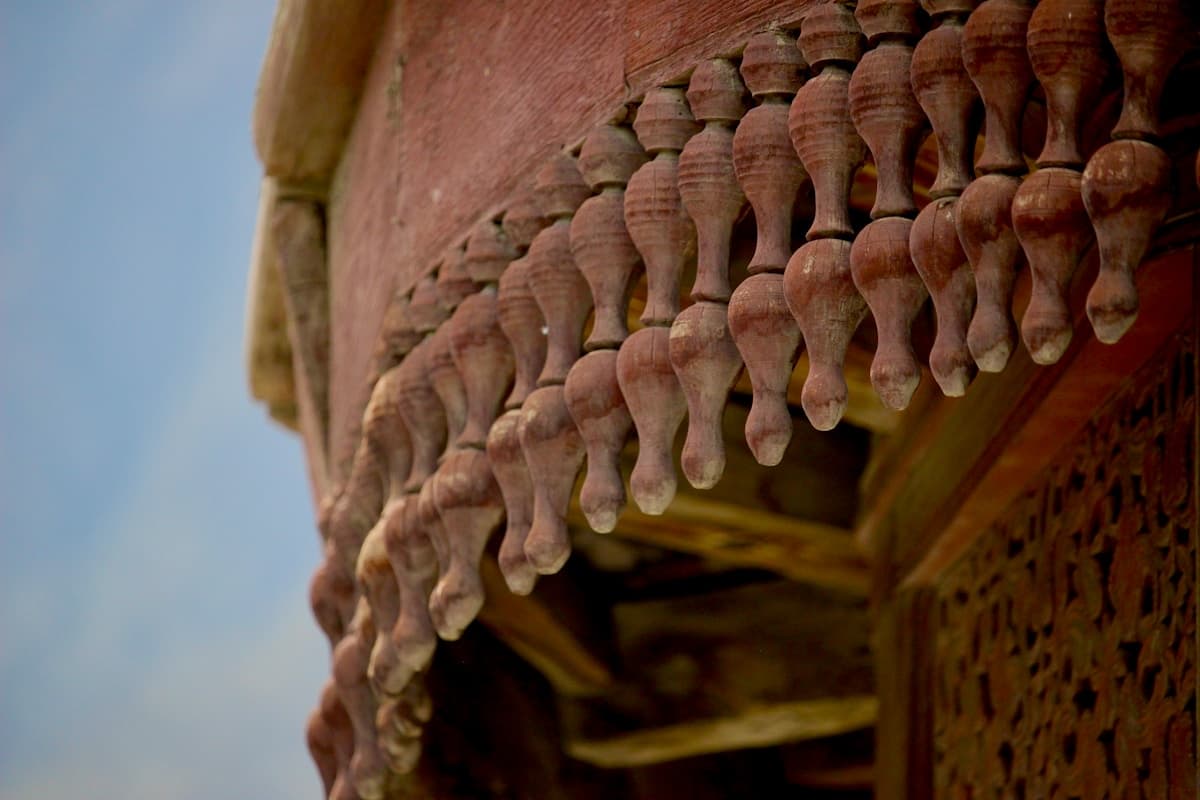
The 900-year-old seat of the Hunza Mirs, perched dramatically above Karimabad with Ultar Glacier directly behind it. Restored by the Aga Khan Trust for Culture. Walking through the fort at golden hour with Rakaposhi in the distance is one of Pakistan's defining travel experiences.
Older than Baltit by several centuries, Altit Fort sits on a sheer cliff above the Hunza River. Less visited than its more famous sibling, which means you often have the ancient rooms and terrace to yourself. The views downriver are vertiginous and spectacular.
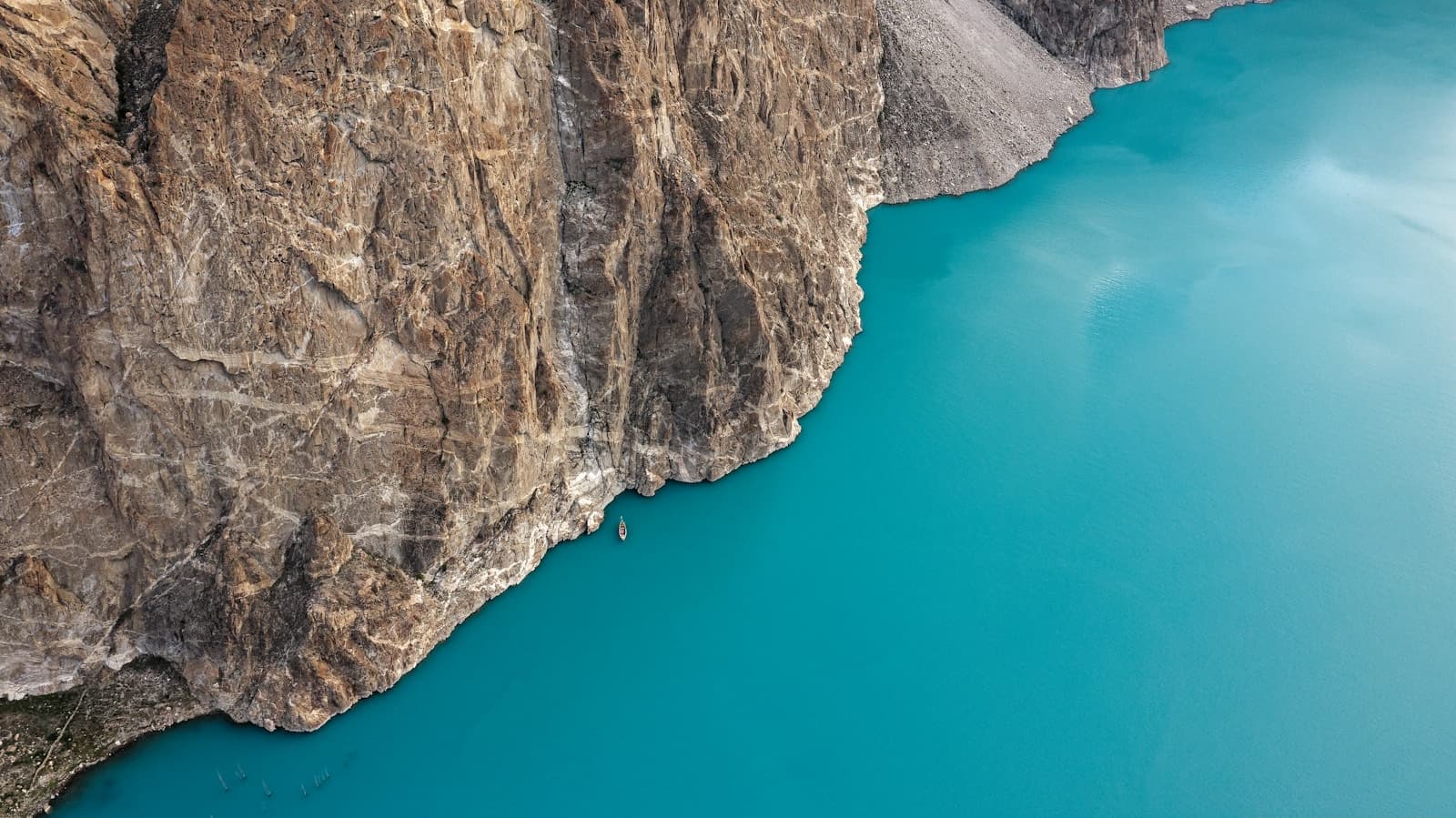
Created in 2010 when a landslide dammed the Hunza River, Attabad is an accident of geology that has become one of Pakistan's most-photographed places. The water is an improbable shade of turquoise. The Karakoram Highway tunnels through the mountains at its far end.
At 3,100m, this viewpoint above Karimabad offers arguably the best panoramic view of the Hunza Valley: five separate mountain ranges visible on a clear day, including Rakaposhi (7,788m) and Ultar Sar (7,388m). The drive up is vertiginous and worth every metre.
The village of Minapin sits at the base of Rakaposhi's south face, giving one of the world's most dramatic mountain-at-close-range views. A short walk from the road leads to an even better angle. Accessible en route between Gilgit and Karimabad.
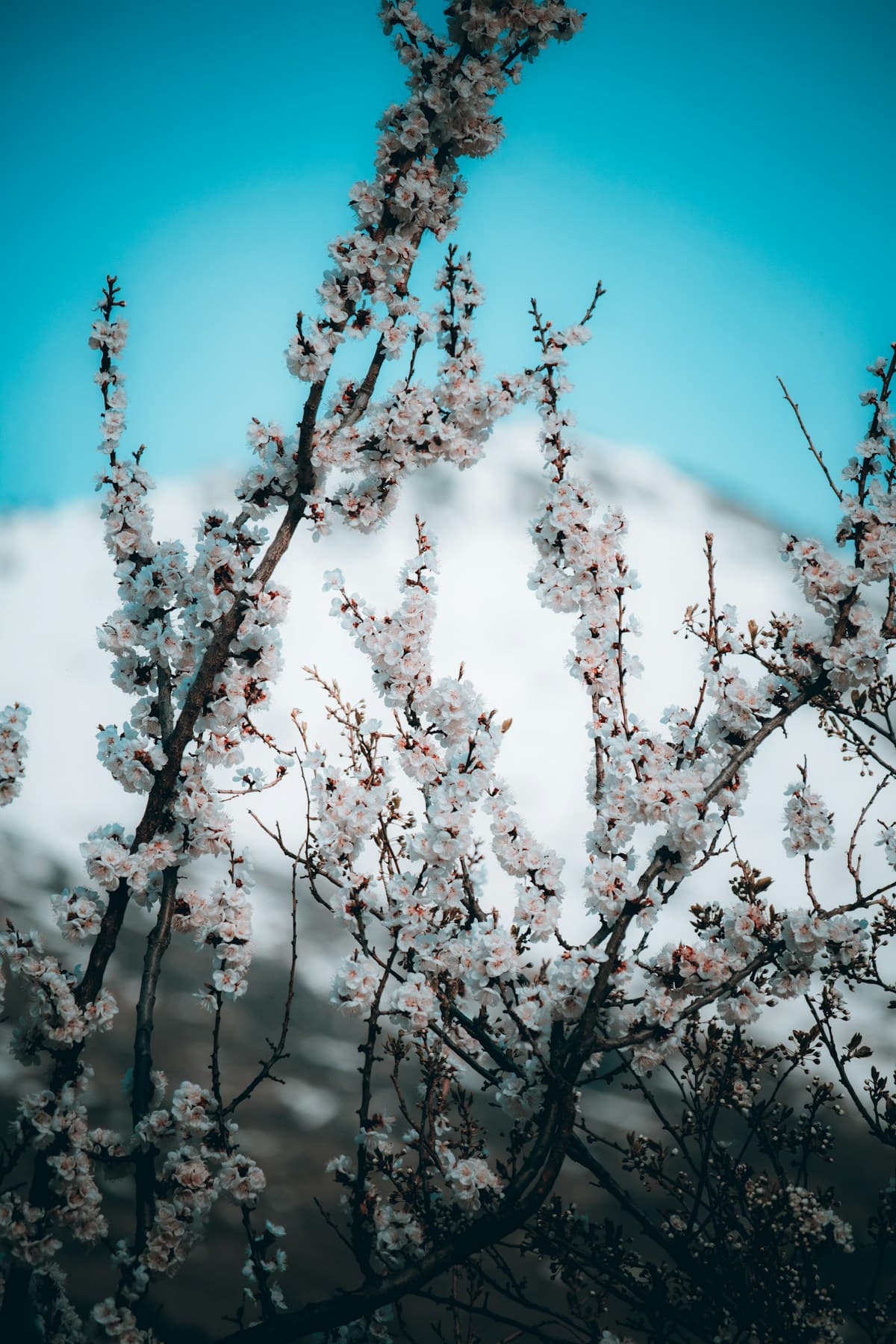
Hunza's apricot orchards blossom in April, turning the valley into a sea of white and pink flowers with snow-covered peaks in the background. This is one of South Asia's most famous spring spectacles and one of the best reasons to visit early in the season.
Practical Info
When to Go
April
Apricot blossom season: the valley's most famous spectacle. Crowds are significant; book early.
May to August
Full summer access. All roads and attractions open. Warm and busy.
September to October
Autumn colours, fewer crowds, harvests. Excellent visibility. Our recommendation.
Winter (November to March)
Cold but accessible. Fewer tourists, dramatic snow scenery.
Getting There
Via Gilgit
Fly from Islamabad to Gilgit (GIL), then 2 hours by road to Karimabad. Most direct route.
Via Skardu
If coming from Skardu, the drive takes 5 to 6 hours on the KKH. A dramatic route through Indus Gorge. Raahi includes this on combined itineraries.
From Islamabad by Road
14 to 16 hours on the KKH. The legendary route: worth doing once.
Common Questions
The best time to visit Hunza is May to October. May and June offer comfortable temperatures and lush green terraces. July and August are peak season with the best weather. September and October are quieter with beautiful autumn colours. March and April are famous for apricot blossoms but roads can still be icy at higher elevations.
By road via the Karakoram Highway from Islamabad (approximately 14-16 hours). From Gilgit (the nearest city with an airport): about 2 hours by road. Most visitors fly into Islamabad and either drive the KKH or fly to Gilgit and continue by road. Raahi arranges private 4x4 transfers from Islamabad, Gilgit, or Skardu.
3-4 days covers the main highlights: Karimabad, Baltit Fort, Altit Fort, Eagle's Nest viewpoint, and Attabad Lake. 5-6 days allows time for Passu Cones, Gulmit, and a relaxed pace. Most visitors combine Hunza with Skardu for a 10-14 day Gilgit-Baltistan circuit.
Yes. Hunza Valley is one of the safest destinations in Pakistan for international tourists. It has a long history of welcoming trekkers and travellers. Local people are known for their hospitality. The Karakoram Highway is well-maintained and busy with traffic throughout the tourist season.
Plan Your Visit
Our team builds private Hunza itineraries, standalone or combined with Skardu. Start with a message on WhatsApp.
Plan Your Trip