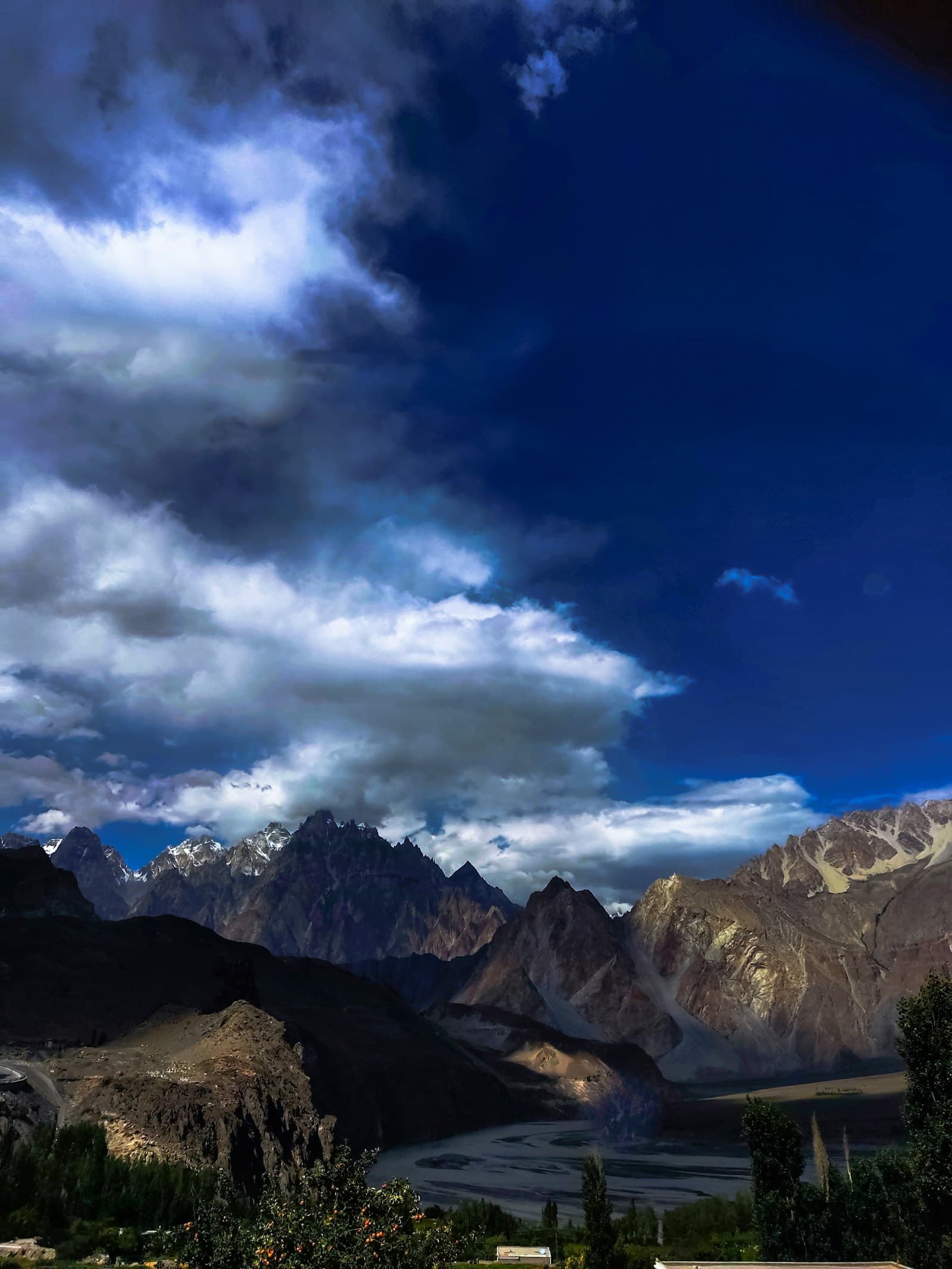
It is the first question most international travellers ask, and an important one to answer honestly. Here is what the safety situation in Gilgit-Baltistan actually looks like in 2026.
The direct answer
Gilgit-Baltistan is, by a significant margin, the safest region in Pakistan for foreign tourists. The security situation that affects parts of Khyber Pakhtunkhwa and the tribal areas does not extend to GB. The region has a different political status, a different demographic, and a different history than the areas that generate travel advisories.
International trekkers have been visiting the Karakoram: Baltoro Glacier, K2, Concordia: for decades. Hunza has been on the overland traveller circuit since the 1970s. The infrastructure for safe independent and guided tourism is well established.
Planning a trip to Skardu?
Private 4×4, boutique hotels, and a day-by-day itinerary built around what you want to see.
Free PDF with the daily breakdown, hotels, costs, and the routes we use. No spam. Unsubscribe in one click.
What the advisories say
Many Western governments maintain broad "exercise caution" advisories for Pakistan that do not distinguish between regions. These advisories are often out of date and do not reflect the significant differences between GB and other parts of the country. Travellers who read the full advisories carefully will find that GB-specific language is typically less restrictive than the national-level guidance.
We recommend checking your government's advisory but also reading accounts from travellers who have recently visited the specific areas you plan to visit. The gap between advisory language and on-the-ground reality in Hunza and Skardu is large.
What to be aware of
The real safety considerations in GB are not security-related; they are environmental and logistical:
- Mountain roads: roads are narrow, some are rough, and driving standards differ from what Western visitors are used to. Use an experienced local driver who knows these specific routes.
- Altitude: Skardu is at 2,400 metres, Deosai at 4,100 metres. Altitude sickness is real and preventable: acclimatise properly, stay hydrated, ascend slowly.
- Weather: mountain weather is unpredictable. Flash floods and rockfalls, while rare, do occur. The Karakoram Highway has been affected by landslides at Attabad (now a lake) and other points. Follow local advice on road conditions.
- Flight reliability: Skardu airport operates under visual flight rules. Flights cancel in poor visibility. Always build a buffer day at the end of your trip.
For women travellers
Gilgit-Baltistan, and particularly Hunza, is noticeably more relaxed in terms of dress codes and social norms than many other parts of Pakistan. Women travelling alone or in small groups report comfortable experiences across the region. Standard respectful dress (shoulders and knees covered) is appropriate; full cover is not expected or required. Interacting with locals is generally easy and the hospitality is genuine.
For families with children
Children are welcomed warmly throughout GB. The main practical considerations are altitude (which affects young children more than adults) and road conditions. Families have been travelling to Skardu and Hunza with children for years without issue.
Our honest view
We run trips to Skardu and Hunza every season. We have never had a guest experience a security incident. The environment is genuinely hospitable. The risks that exist are the normal risks of mountain travel: weather, altitude, roads. These are manageable with good preparation and a knowledgeable local guide.
If you are on the fence about whether GB is "safe enough," the answer for most travellers is: yes. The region has been welcoming international visitors for fifty years and continues to do so. For practical first-timer preparation, see our first-time Gilgit-Baltistan guide and the Skardu and Hunza packing list. Browse our tour itineraries or get in touch to start planning.
Frequently Asked Questions
Is Gilgit-Baltistan safe for foreign tourists?
Yes, by a significant margin the safest region in Pakistan for foreign visitors. The security concerns affecting parts of Khyber Pakhtunkhwa do not extend here. The region has been on the international trekking circuit for decades with a well-established infrastructure for tourism.
Is Gilgit-Baltistan safe for solo women travellers?
Hunza in particular is noticeably more relaxed than most of Pakistan in terms of dress codes and social norms. Women travelling alone or in small groups report comfortable experiences throughout the region. Standard respectful dress (shoulders and knees covered) is appropriate and sufficient.
What are the real risks in Gilgit-Baltistan?
The real risks are environmental and logistical, not security-related: mountain roads require experienced local drivers; altitude is real (Skardu at 2,400m, Deosai at 4,100m); weather can close roads; and Skardu flights cancel when visibility is low. All are manageable with good planning and a knowledgeable guide.