Overview
Khaplu sits in eastern Gilgit-Baltistan, about 3.5 hours from Skardu along the Shyok River. It's close enough to include on a Baltistan itinerary and far enough to feel genuinely remote in a way that Skardu city no longer does.
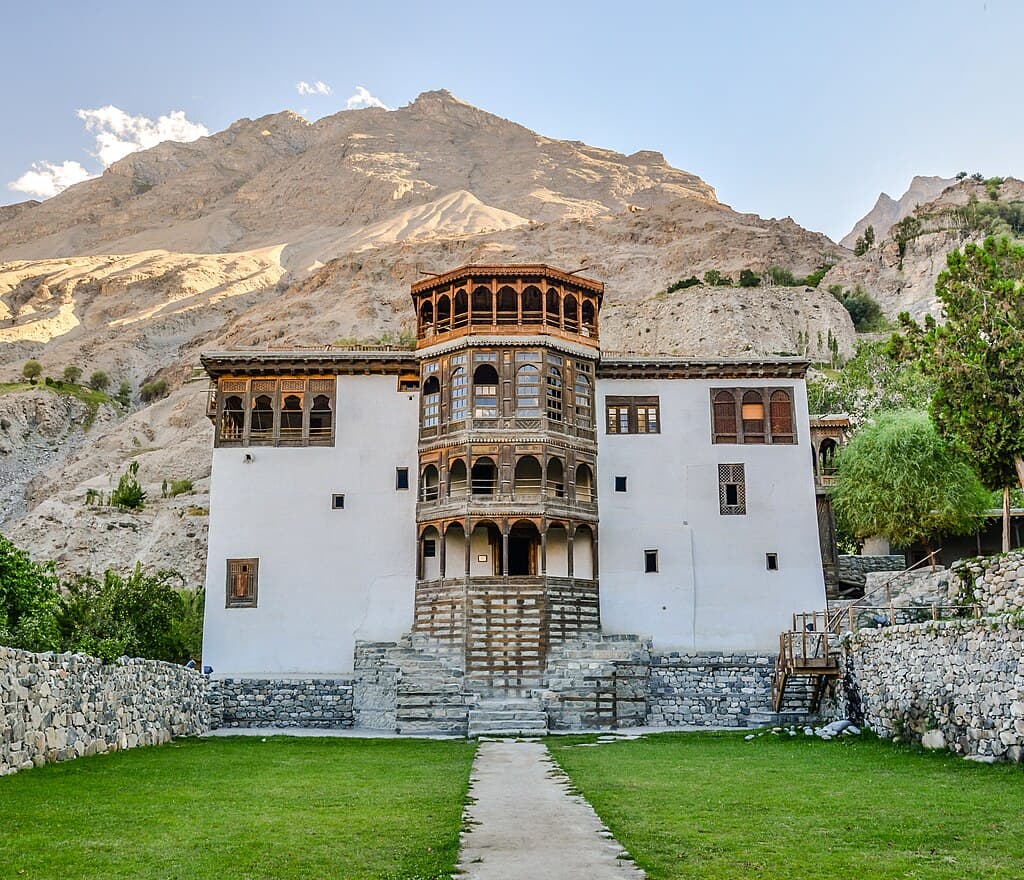
The Khaplu Palace, formally the Khaplu Fort, is the Aga Khan Trust's third major heritage restoration in Baltistan, after Baltit and Shigar. The result is a 700-year-old palace that has been brought back to life as a heritage hotel without losing any of its original character.
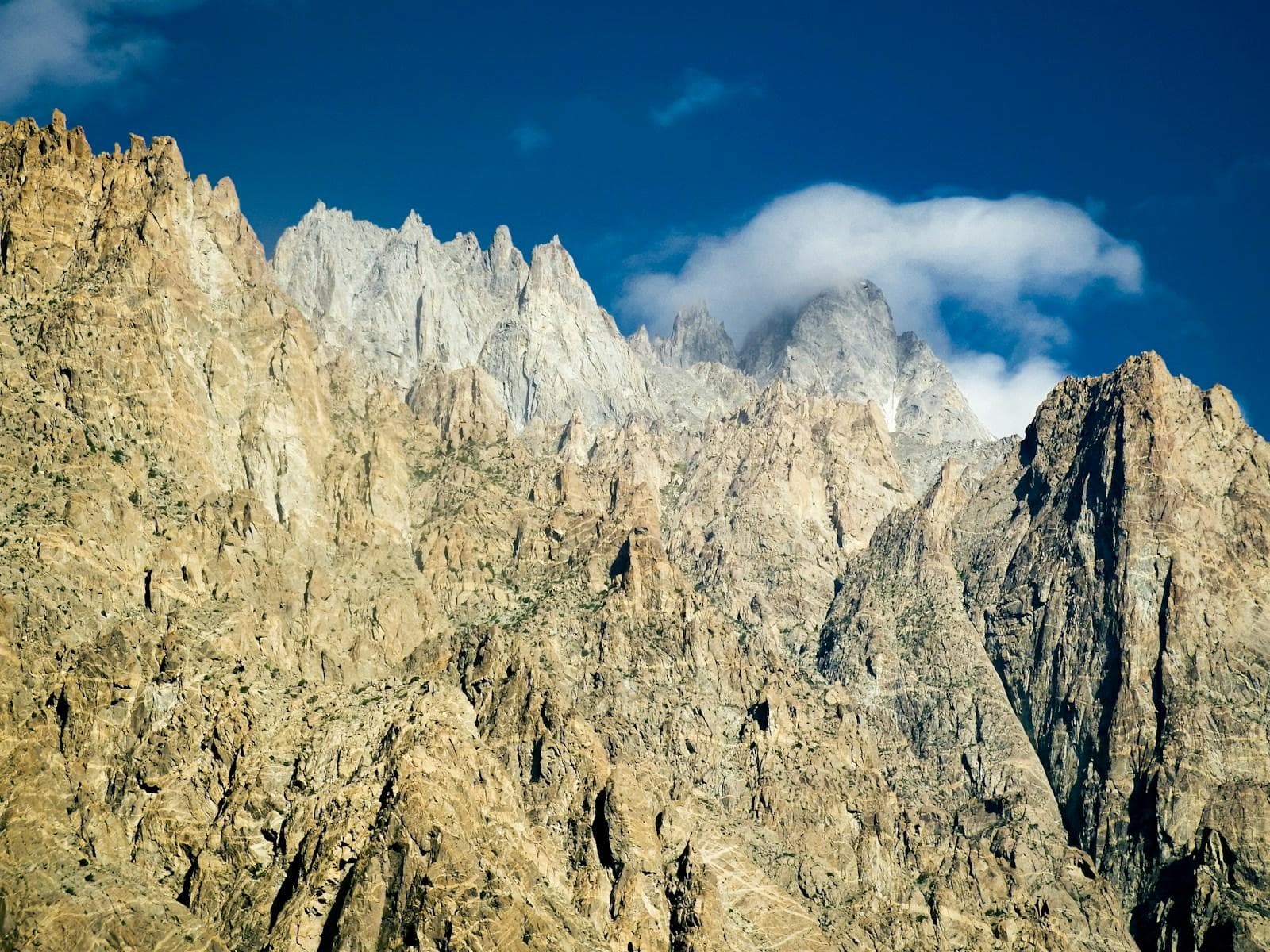
Beyond the palace, the Hushe Valley branches south toward the Karakoram Range proper: the approach for Gondogoro La (5,585m), the high pass connecting Hushe to the Concordia and K2 Base Camp routes. For trekkers, Khaplu is the gateway. For non-trekkers, the drive up the Hushe Valley is stunning enough on its own.
Highlights
A 700-year-old fort palace on a promontory above the Shyok River, restored by the Aga Khan Trust with the same rigour applied to Baltit and Shigar Forts. The rooms are beautiful, the gardens are peaceful, and the views over the confluence are extraordinary. Staying here is one of Baltistan's finest experiences.
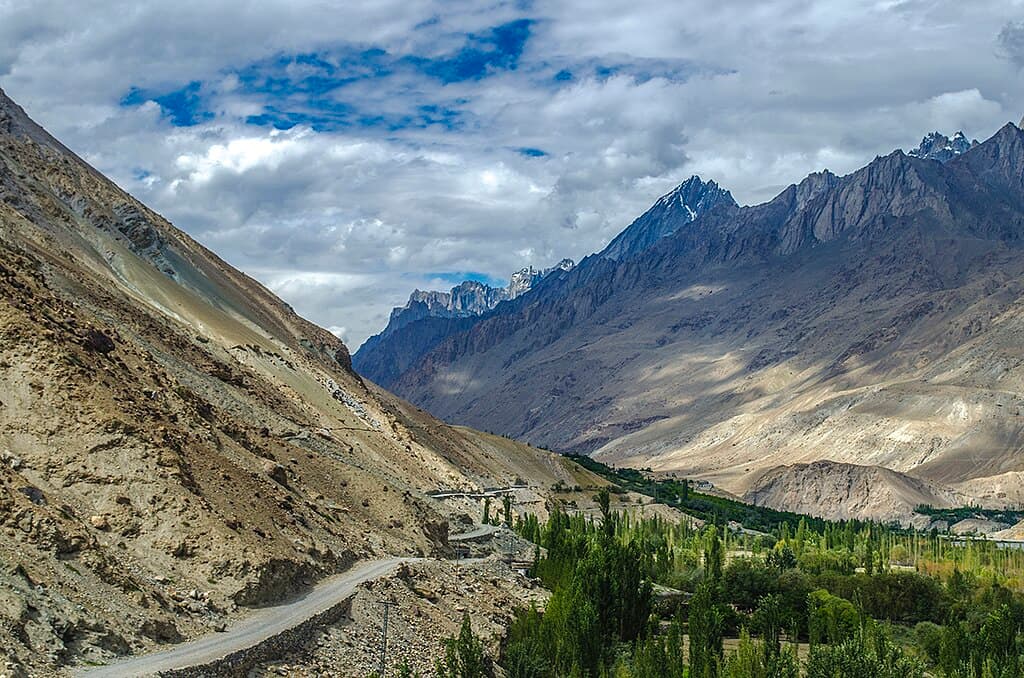
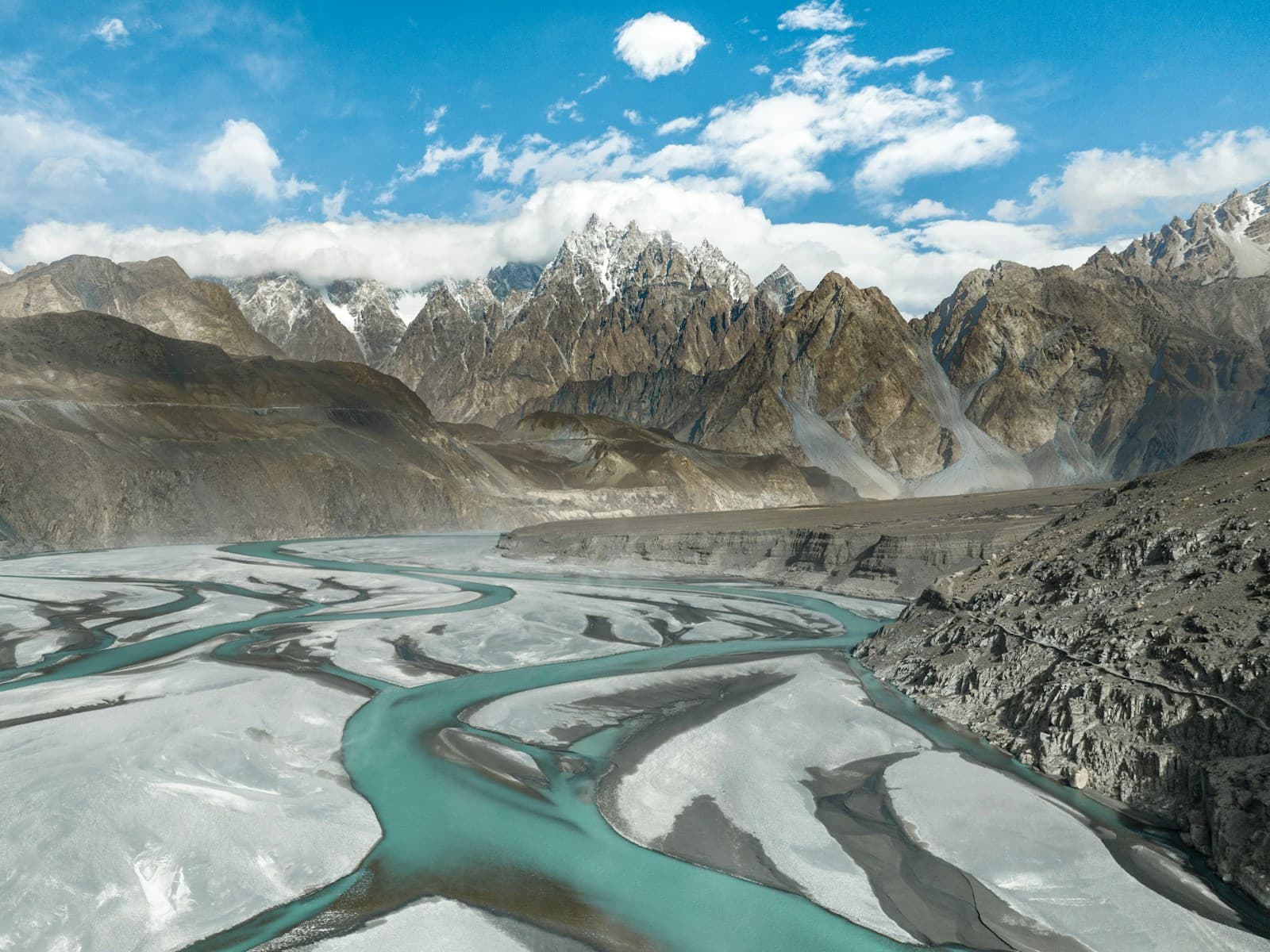
The valley that leads south toward some of the world's highest peaks: K6, K7, and the Gondogoro La. Even if you're not trekking, the drive up the Hushe River valley is 90 minutes of increasingly dramatic mountain scenery. The road ends at Hushe village, base camp for serious expeditions.
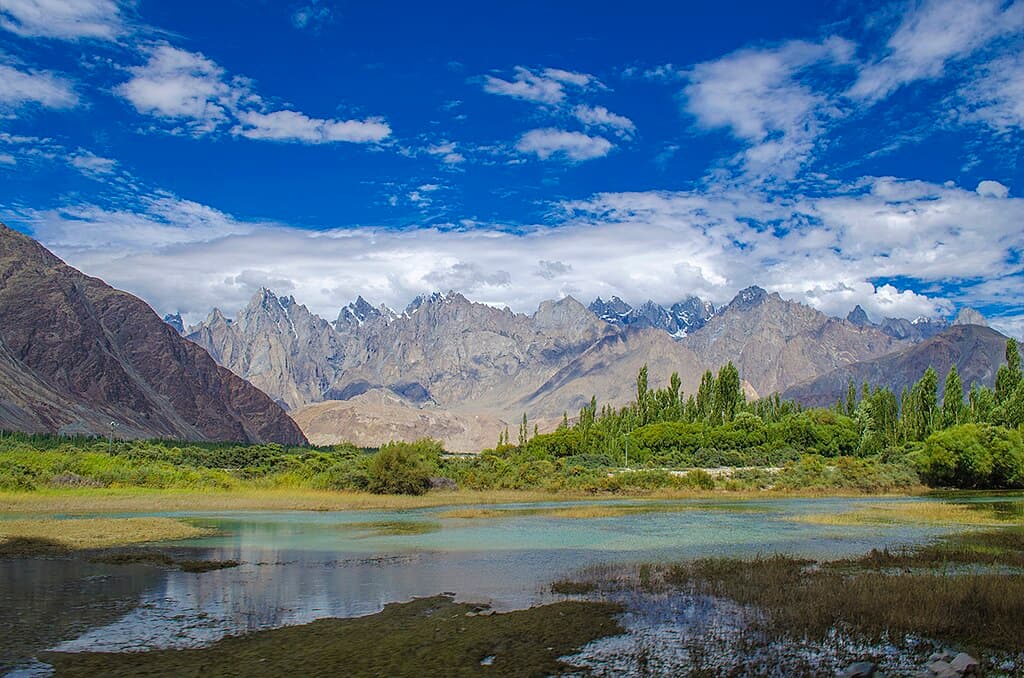
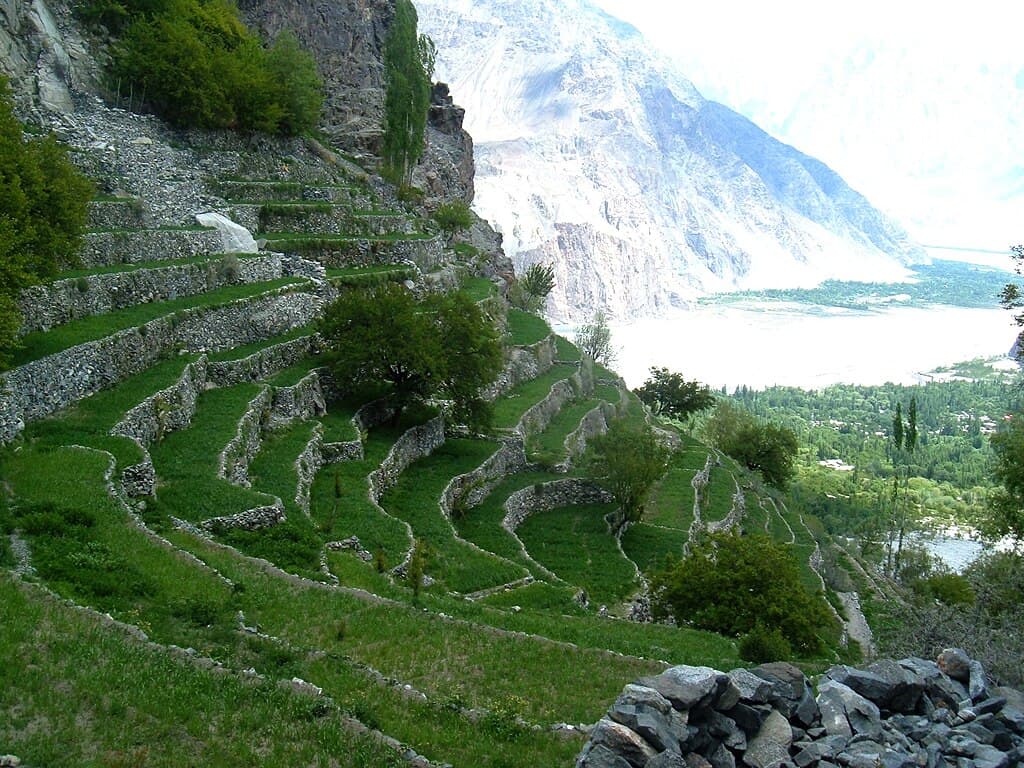
Khaplu sits at the confluence of the Shyok and Hushe Rivers, with the Karakoram peaks framing the valley on three sides. The evening light here, golden and long, makes Khaplu a favourite for photographers who know about it.
The old town of Khaplu has a market and lanes that haven't changed much in a generation. Considerably fewer tourists than Skardu means you can walk through it without being followed by a camera or a shopkeeper. The hospitality here is the most unrehearsed in Baltistan.
Common Questions
Khaplu is famous for Khaplu Palace: a 700-year-old Balti royal fort restored by the Aga Khan Trust and now operating as a heritage hotel. It is also known for the Hushe Valley trekking approaches to K6, K7, and Gondogoro La, and its position as one of the least-visited major destinations in Gilgit-Baltistan.
Approximately 105km, about 3 to 3.5 hours by 4x4 along the Shyok River road. The drive is spectacular but the road is rough in sections. A private vehicle is strongly recommended over public transport for this route.
Yes. Khaplu is the base for treks into the Hushe Valley, including approaches to K6, K7 Base Camp, Masherbrum Base Camp, and the Gondogoro La crossing (one of the world's great mountain passes at 5,585m). Raahi handles transport to the Hushe Valley trailheads and can connect trekkers with experienced local guides.
Yes, particularly for travellers who want somewhere genuinely quiet and less developed for tourism. Khaplu Palace is arguably the most historically authentic of the three Serena heritage properties in Gilgit-Baltistan. The Hushe Valley beyond Khaplu is one of the finest landscapes in the Karakoram for non-trekkers as well as trekkers.
From the Travel Guide
Plan Your Visit
Get in touch and we'll plan it around your dates, group, and pace.
Plan Your Trip