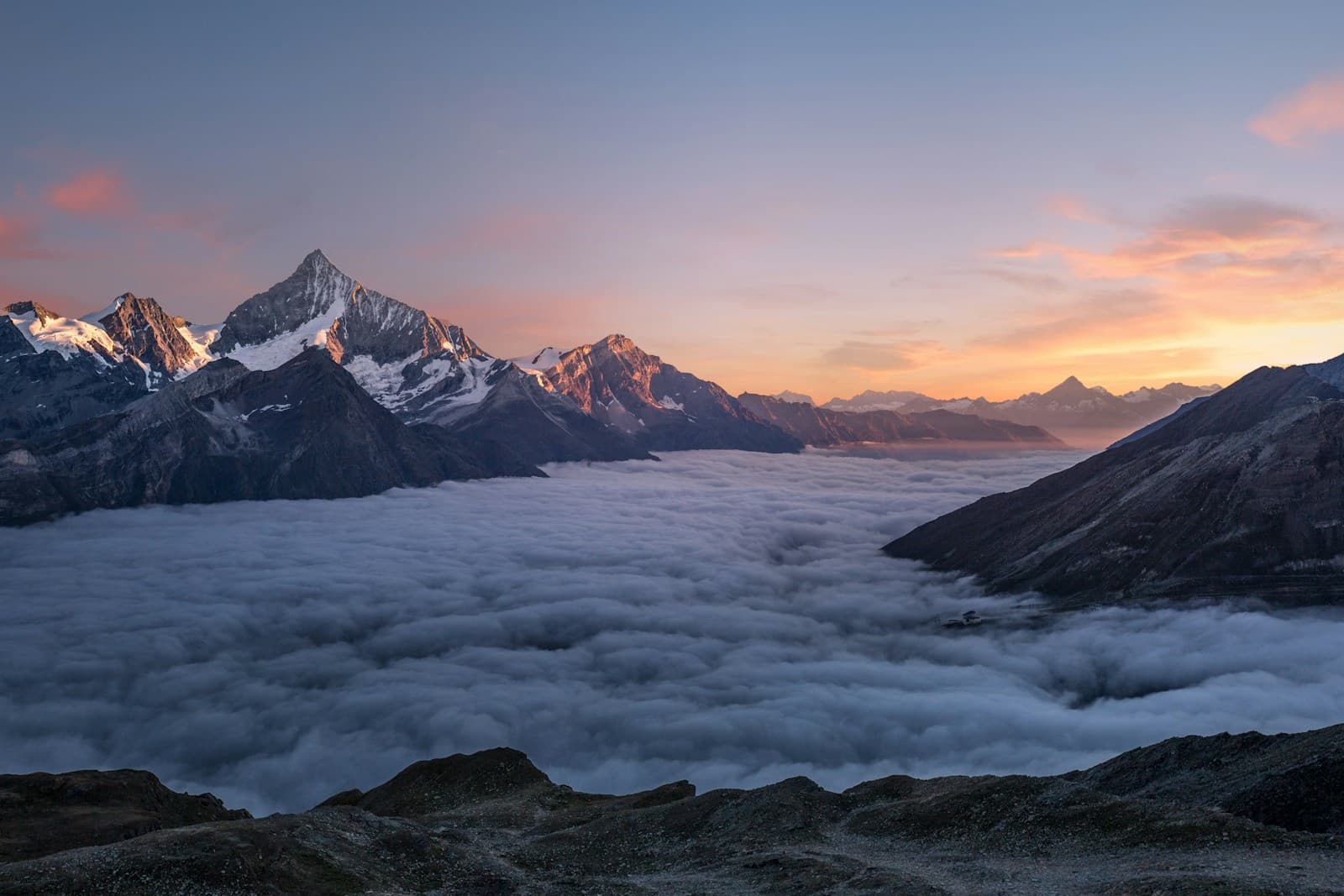
Overview
Skardu sits at 2,438 metres in the Shigar Valley, where the Indus River meets the Shigar River. It's Pakistan's highest major city and the base for most expeditions to the Karakoram Range: including K2, the world's second-highest peak.
But Skardu isn't just an expedition hub. It's a destination in its own right, with extraordinary landscapes, cultural heritage, and a pace of life that rewards guests who come to slow down rather than rush through checkboxes.
Within a two-hour drive of Skardu city, you can be on Deosai's 4,100-metre plateau, walking the sand dunes of the cold desert, or rowing on a mountain lake that looks like it was rendered in CGI. Most visitors significantly underestimate how much there is here.
What to See
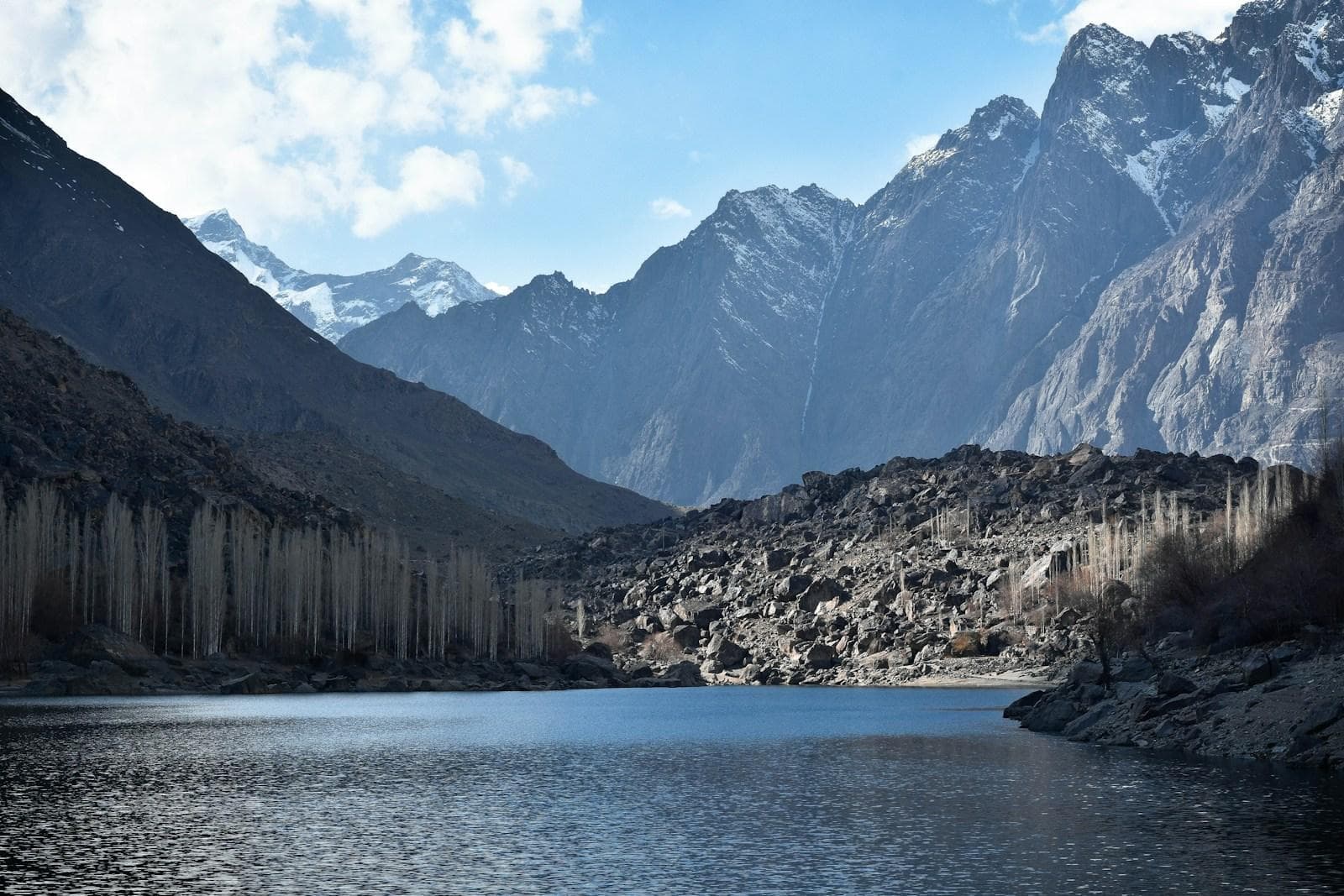
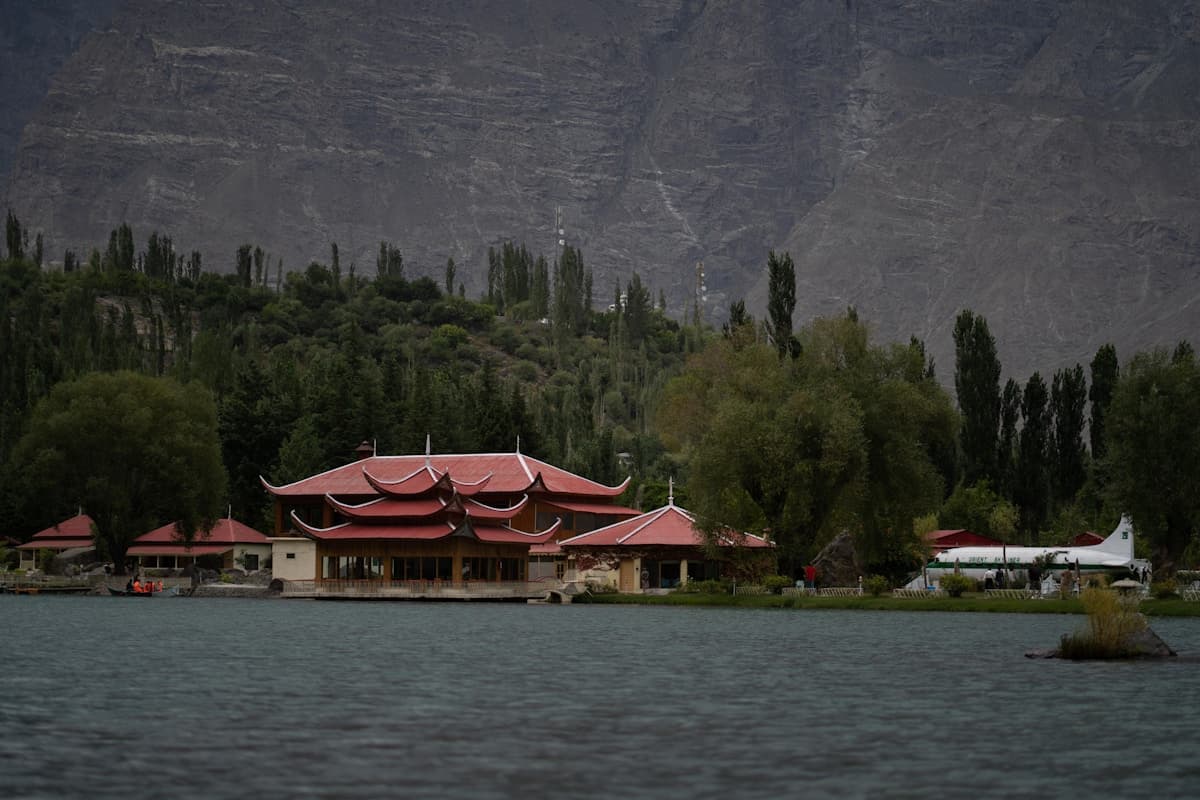
One of Pakistan's most iconic spots. The lake is extraordinary at any time of day, but golden hour turns it otherworldly. The Shangrila Resort on its banks is a popular stay: book early in peak season. The surrounding mountains form a natural amphitheatre visible from the water.
Built in the 16th century on a sheer rock outcrop above the Indus River, Kharpocho ("King of Forts") offers the best panoramic views over Skardu city. The climb takes about 20 minutes on foot. At the top you're level with hawks and the valley spread below you.
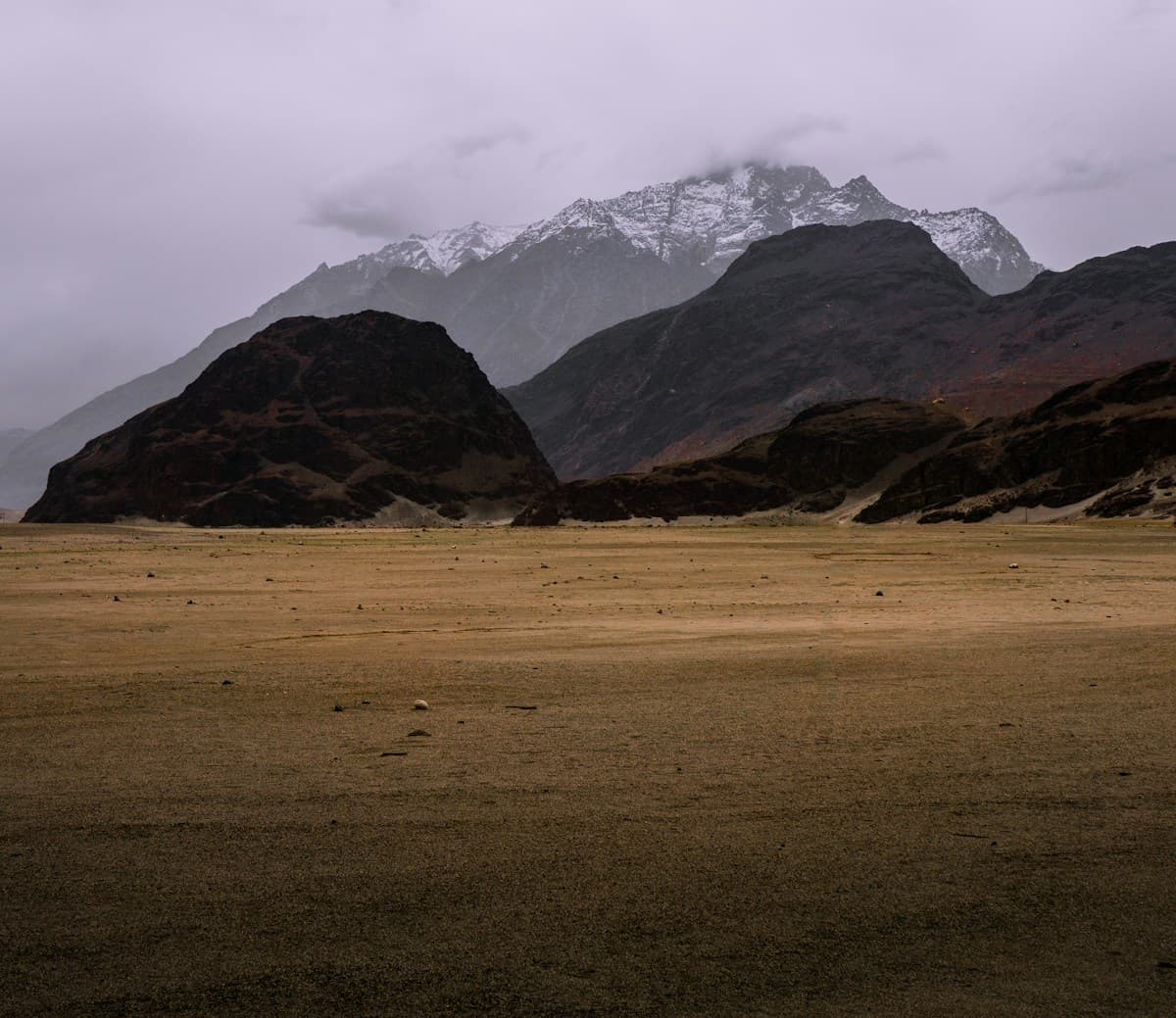
Sand dunes in the middle of the Karakoram Range: an ecological anomaly created by the Shigar River's silt deposits. The juxtaposition of desert and snowcapped peaks is unlike anything else in South Asia. Best visited in the afternoon when the light angles across the dunes.
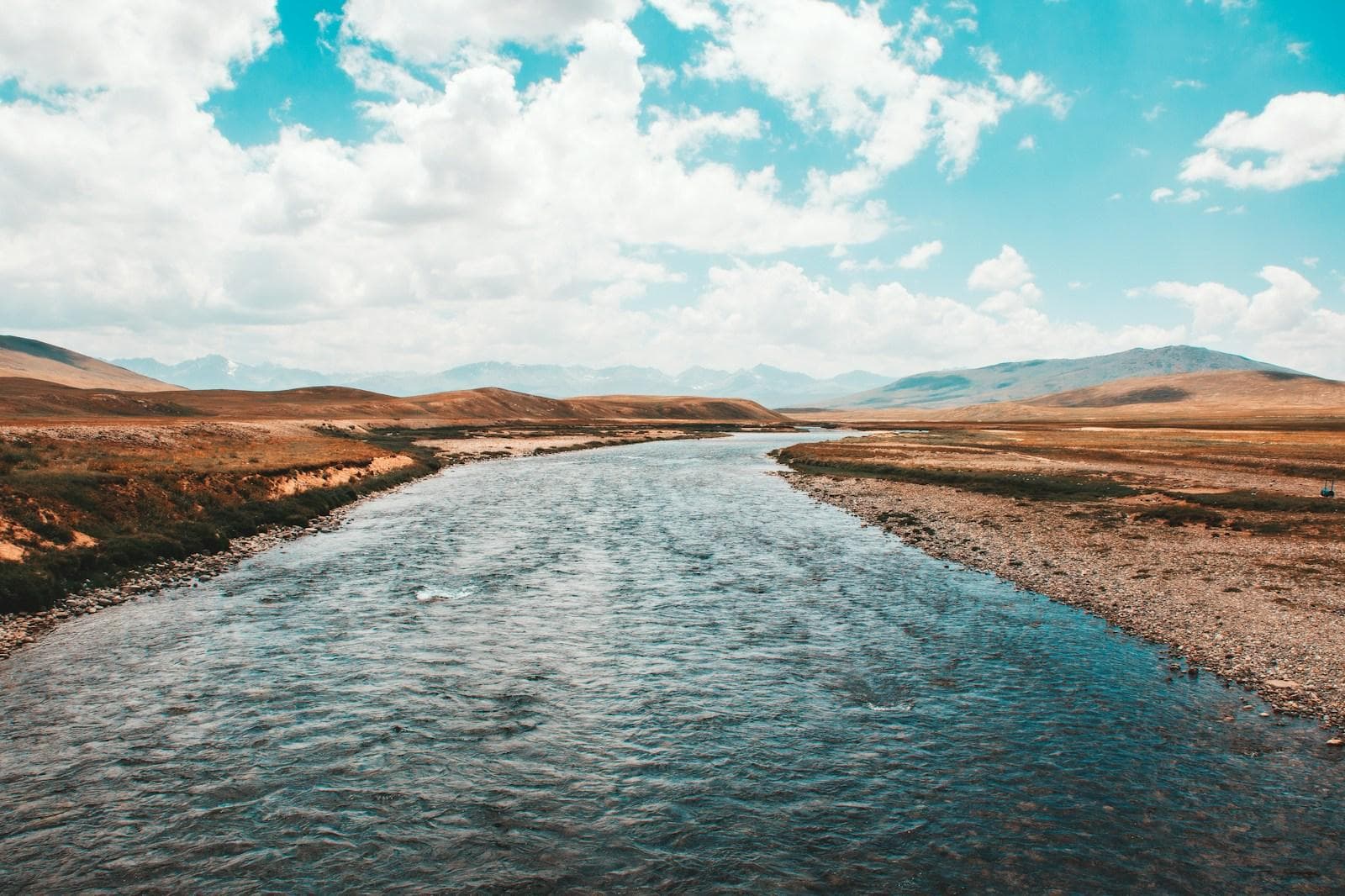
A full-day trip from Skardu (about 2 hours each way on rough roads). Deosai is a high-altitude plateau at 4,114m, one of the world's highest, carpeted in wildflowers from June to August. Himalayan brown bears are regularly spotted from the road.
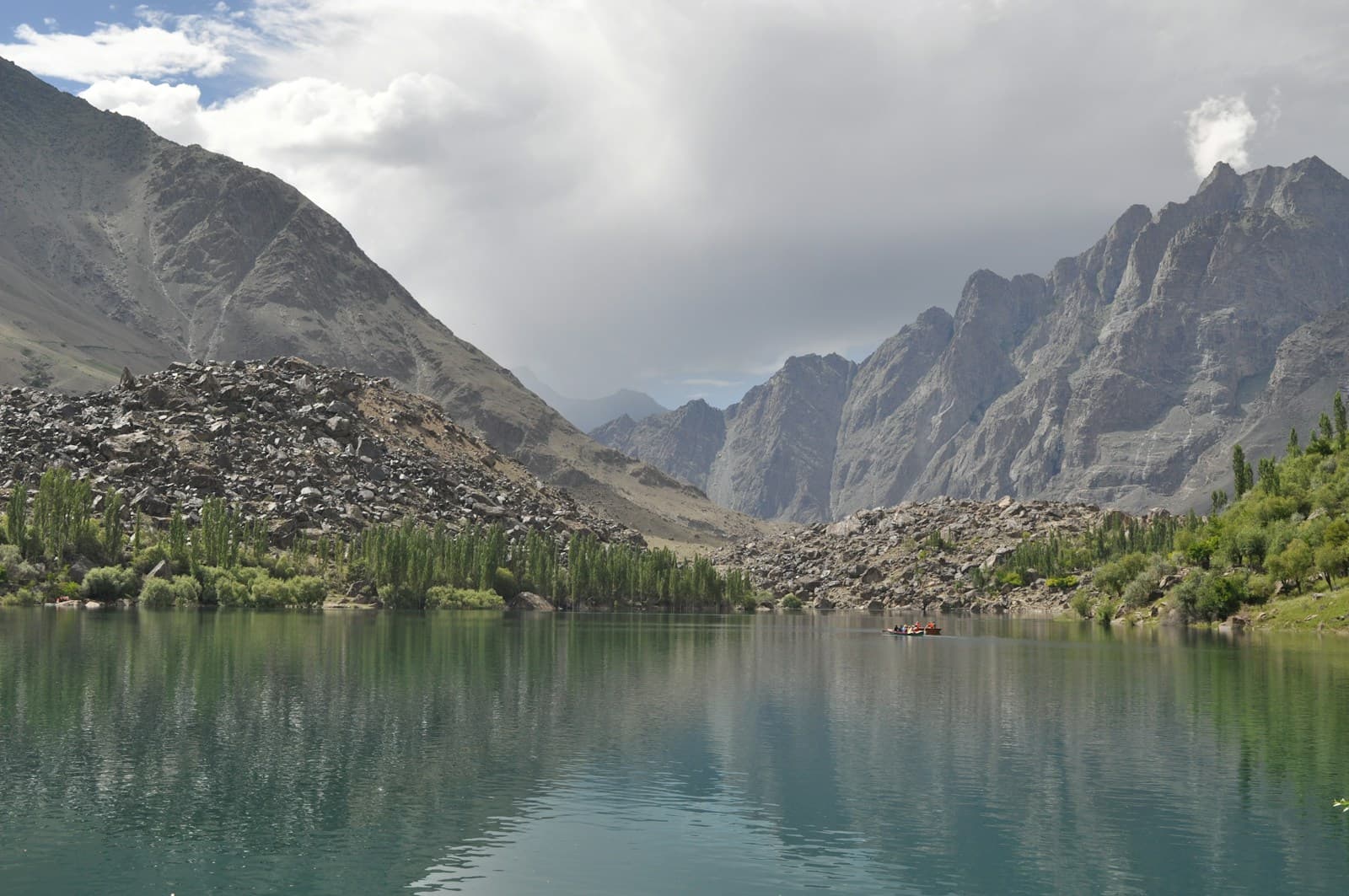
Less visited than Upper Kachura but arguably more serene. A short walk from the main road leads to a clear emerald lake surrounded by poplar trees. Local families boat here in the evenings. Peaceful, understated, and worth the detour.
The reservoir that supplies Skardu's drinking water, surrounded by willows and poplars. A calm alternative to the Kachura lakes, especially in shoulder season. The road to Deosai passes through here.
Practical Info
Timing
April to May
Spring. Snow melting, rivers full, Deosai road may still be closed. Cool evenings, warm days. Beautiful but unpredictable.
June to August
Peak season. All roads open. Deosai fully accessible. Warmest weather. Book hotels early: the best properties fill fast.
September to October
Best combination of weather, crowd levels, and autumn colours. This is Raahi's recommended window.
November to March
Cold and quiet. Some roads close. Skardu city is accessible but many day-trip destinations are not practical.
Getting There
By Air
PIA operates daily Islamabad to Skardu flights (SKT airport). Flight time: 1 hour 10 minutes. Views on approach are spectacular. Flights are weather-dependent: cancellations happen. Build in a buffer day.
By Road
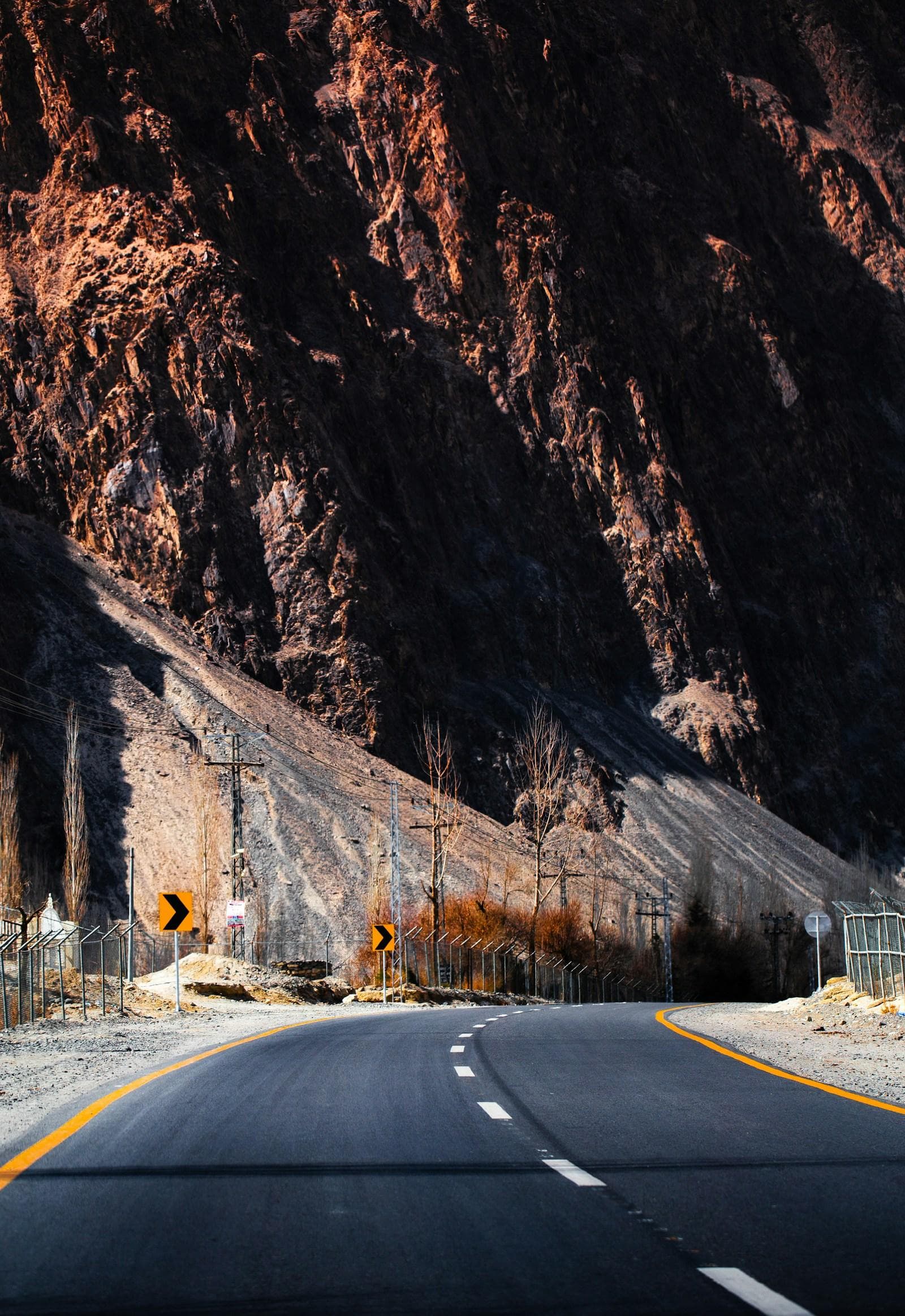
The Karakoram Highway from Islamabad takes 14 to 18 hours. Genuinely one of the world's great road journeys. Worth doing at least one direction. Raahi arranges private road transfers.
Common Questions
The best time to visit Skardu is June to September. All roads are open, Deosai National Park is accessible, and weather is reliable. April and May are good for fewer crowds and apricot blossoms. October offers quieter travel and autumn colours but some high roads close.
By air: PIA operates daily flights from Islamabad to Skardu (about 1 hour 10 minutes). Flights are subject to weather and often cancelled in low cloud: build buffer days into your itinerary. By road: from Islamabad via the Karakoram Highway and Indus Highway (approximately 14-18 hours). Raahi arranges private 4x4 transfers from Islamabad or Gilgit.
Yes. Skardu and Gilgit-Baltistan are among the safest regions in Pakistan for tourists. The Balti people are known for exceptional hospitality and foreign visitors travel here regularly without incident. Altitude is the main safety consideration: Skardu at 2,400m is manageable for most people, but Deosai at 4,100m requires acclimatisation.
A minimum of 5 days covers the core highlights: Kachura Lakes, Sarfaranga Cold Desert, Kharpocho Fort, and a day trip to Shigar Valley. 7-9 days adds Deosai National Park and a more relaxed pace. 10 or more days suits trekkers or those continuing to Hunza.
Plan Your Visit
Our local team designs private itineraries around your dates, interests, and pace. Start with a message on WhatsApp.
Plan Your Trip