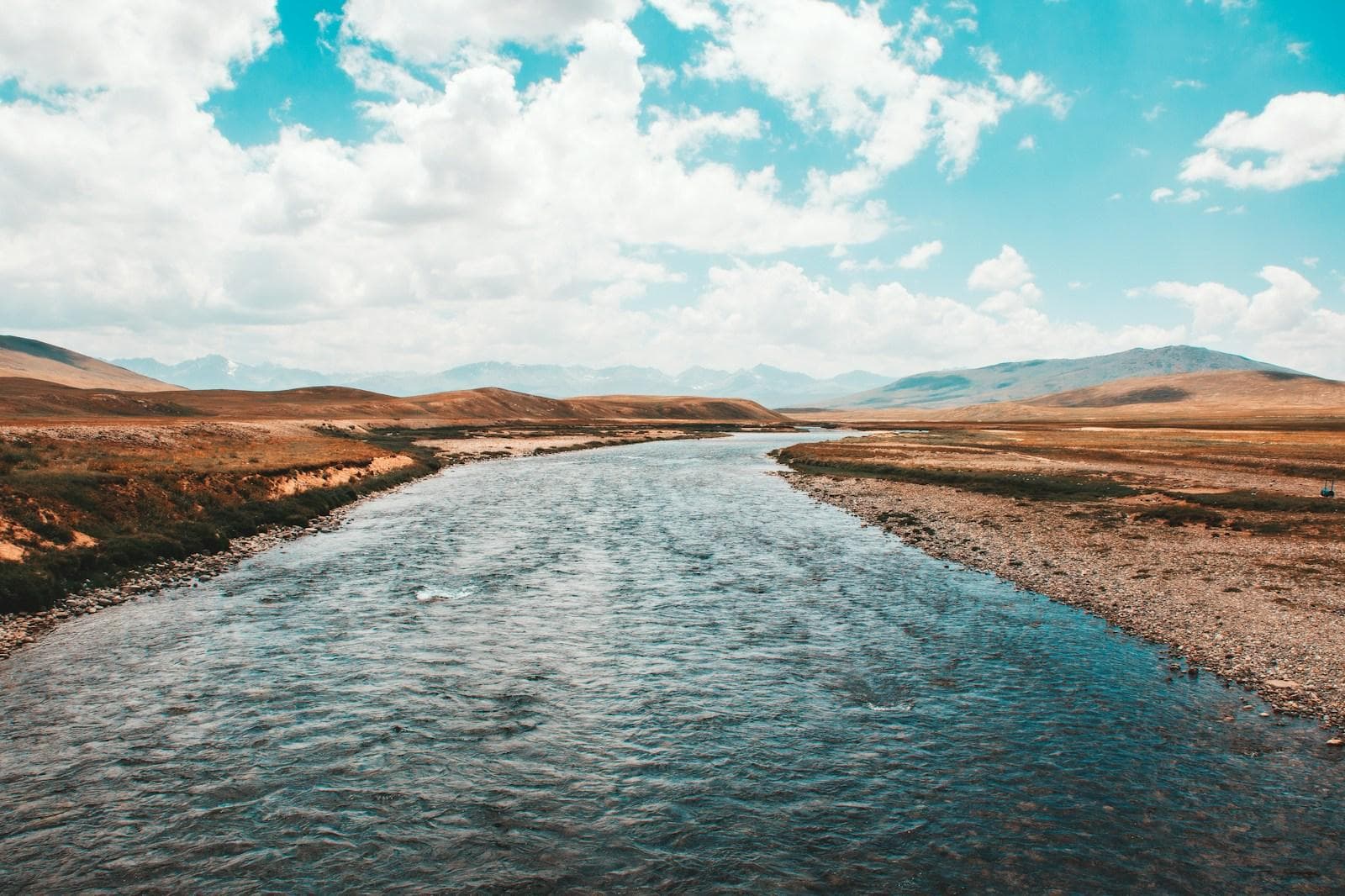
Deosai National Park is unlike anywhere else in Pakistan. At 4,100 metres above sea level, it is the world's second-highest plateau: 3,000 square kilometres of open grassland, scattered lakes, and permanent snowfields. The scale is hard to process until you are actually standing in it.
This guide covers everything a first-time visitor needs to know.
The basics
Deosai sits directly east of Skardu, separated from the city by a pass that reaches 4,300 metres. The drive from Skardu takes around 2 to 3 hours depending on road conditions. The plateau is accessible from June through to mid-October in most years, after which snowfall closes the road until the following summer.
Planning a Deosai visit?
June to September only, 4×4 required, and worth building a full day around. We handle the logistics.
Free PDF with the daily breakdown, hotels, costs, and the routes we use. No spam. Unsubscribe in one click.
When to go
The best time is July and August for the wildflowers: the plateau is covered in alpine blooms that appear almost immediately after the snow retreats. The colours peak in late July. September is also excellent: the flowers fade but the light is extraordinary, the crowds thin out, and the plateau has a different, more austere quality that many visitors prefer.
Opening and closing dates vary by year and depend entirely on snowfall. In a good year, the road opens in late May or early June. In a heavy snow year, June is still closed. Always check current conditions with a local operator before planning around Deosai.
The brown bears
Deosai is home to one of the last remaining populations of Himalayan brown bears in Pakistan: estimates put the number at around 40 to 50 individuals. The bears are the primary reason the park exists; it was established in 1993 specifically to protect them.
Sightings are not guaranteed but they are common. The bears are most active in the morning and late afternoon. They are typically seen from the car: the open plateau means you can spot them at long range grazing on the grassland. The bears are not aggressive toward vehicles and often tolerate observation from a safe distance.
The park rangers know the current locations of bears and will guide you to the most likely areas. Always listen to the rangers about approach distance.
Sheosar Lake
Sheosar Lake sits near the centre of the plateau at around 4,142 metres. It is a glacial lake with deep blue-green water and a mirror-like surface on still days. The reflection of the surrounding peaks and sky is one of the most photographed images from Deosai. The lake is a short walk from the road; the altitude means even gentle walking feels effortful if you are not acclimatised.
Camping overnight
Camping on Deosai overnight is one of the finest experiences available in the region. The sky at 4,100 metres, away from any light pollution, is extraordinary: the Milky Way is visible on clear nights in a way that is difficult to describe to someone who has not seen it at high altitude.
Camping requires a permit from the Deosai National Park authority. Basic camping facilities (toilet block) exist near the main road through the park. Bring warm sleeping gear: temperatures drop significantly at night even in July. A camping trip to Deosai typically adds one night to a Skardu itinerary.
Day trip vs overnight
A day trip from Skardu is entirely feasible: you leave at 7am, arrive by 10am, spend 4 to 5 hours on the plateau, and are back in Skardu by 6pm. This is how most visitors experience Deosai and it is fully satisfying.
The overnight adds the night sky, the dawn light over the plateau (which is exceptional), and the experience of being on Deosai when the day-trip crowds have left. If time allows, we recommend at least one night.
What to bring
- Warm layers: the plateau is cold even in July, and exposed to wind
- Sun protection: at 4,100 metres the UV intensity is much higher than at lower altitude
- Water and snacks: there are no shops on the plateau
- Camera with spare batteries: cold temperatures drain batteries faster than you expect
- Cash for park entrance fees (credit cards not accepted)
Altitude considerations
Deosai is a significant altitude step above Skardu (2,400 metres). Most visitors who have spent a night or two in Skardu handle the transition well. If you fly directly to Skardu and drive to Deosai the same day, you may feel the altitude. The symptoms (headache, fatigue, shortness of breath) are normal and usually mild. Drink water, move slowly, and descend if symptoms worsen.
Deosai is included in all of Raahi's multi-day Skardu itineraries. Our Khwab Retreat (5 days), Aangan Retreat (7 days), and Sukoon Retreat all include a full Deosai day with a driver who knows the best bear-spotting areas. For wildflower timing and bear sightings in detail, see our Deosai wildflowers guide. Plan your trip.
Frequently Asked Questions
When is Deosai National Park open?
Mid-June to mid-October, depending on snowfall each year. The road from Skardu clears in mid-June and closes again with the first heavy autumn snow, usually in mid-October. July and August are the peak months: wildflowers in full bloom and Himalayan brown bear sightings most frequent. September is excellent, quieter, still fully open, and the plateau has shifted from green to golden-brown.
How do you get to Deosai National Park from Skardu?
By 4x4 from Skardu: approximately 2 hours on a rough mountain road to the plateau entrance at Bara Pani. The road is unpaved and requires a proper 4x4. From Bara Pani, the plateau is driveable to Sheosar Lake at the centre, another 30 to 45 minutes. Leave Skardu by 7am to avoid afternoon thunderstorms that can close the road on the return.
Can you see bears at Deosai?
Himalayan brown bears are regularly spotted on the Deosai plateau, particularly in July and August when they are most active. The main track from Bara Pani to Sheosar Lake passes through prime bear habitat. Sightings are not guaranteed, they are wild animals in a 3,000 square kilometre plateau, but the national park has an estimated 40 to 50 bears. Marmots are far more common and visible throughout the day.
Can you camp overnight in Deosai National Park?
Yes, and it is one of the finest experiences available in the region: a permit from the Deosai National Park authority is required, and basic facilities (a toilet block) exist near the main road through the park. At 4,100 metres, away from any light pollution, the night sky is extraordinary, the Milky Way is clearly visible on clear nights. Bring warm sleeping gear, temperatures drop significantly at night even in July. A camping trip typically adds one night to a Skardu itinerary.