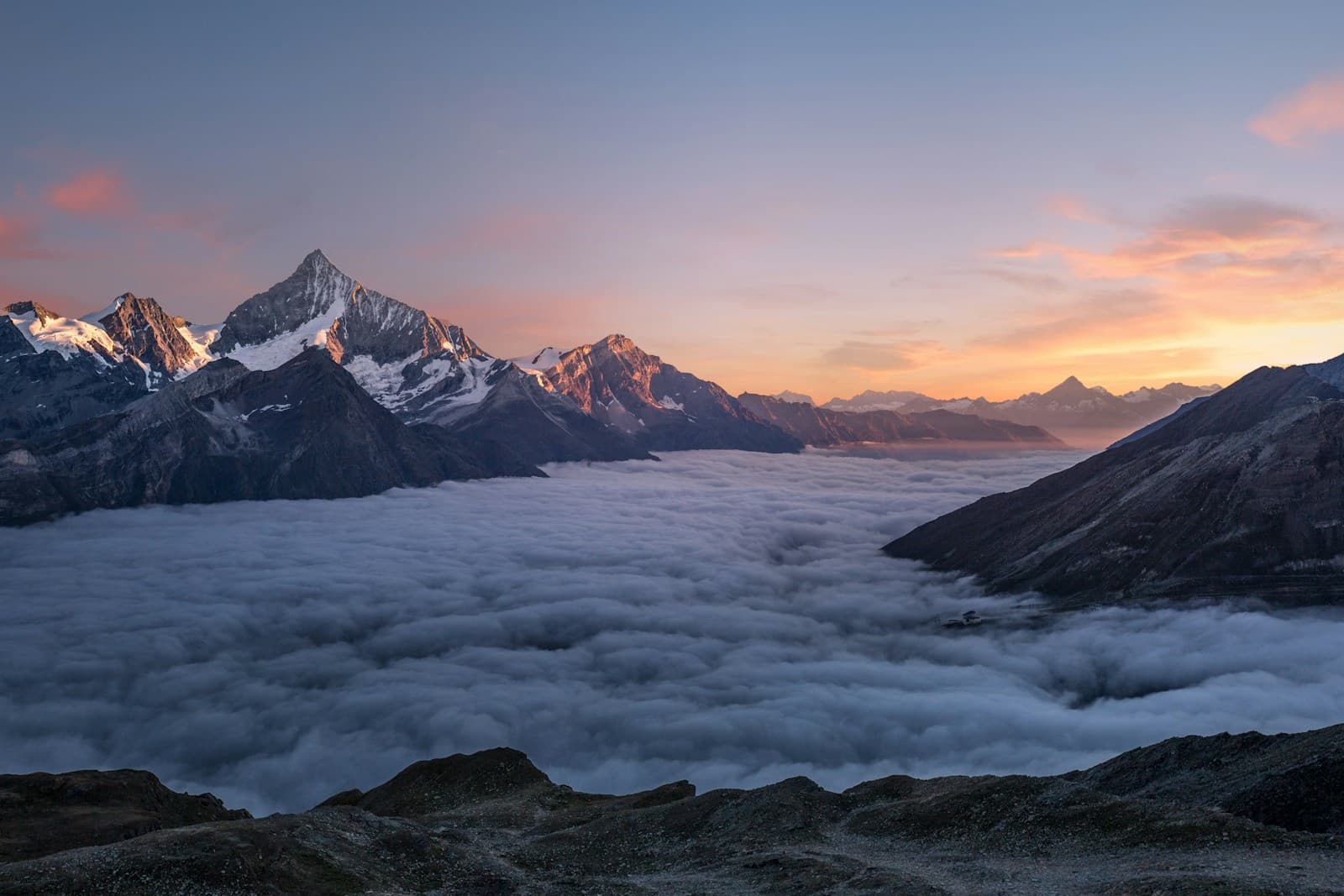
The question comes up in almost every planning conversation we have. "We only have 7 days. Should we do Skardu or Hunza?" It is a good question and the honest answer is: it depends on what you actually want from the trip.
The short version
Go to Skardu if you want raw, dramatic landscapes: the cold desert, Deosai plateau, Karakoram peaks, and the sense of being somewhere genuinely remote. Go to Hunza if you want accessibility, iconic viewpoints, ancient forts, and the famous apricot blossom season in April. Do both if you have 10 days or more, see the Skardu and Hunza 10-day tour package for the complete route.
What makes Skardu different
Skardu sits at the confluence of the Indus and Shigar rivers, in a high-altitude basin at around 2,400 metres. The town itself is unremarkable but the surrounding landscapes are extraordinary: the Sarfaranga cold desert (sand dunes with snowfields behind them), Kharpocho Fort commanding the valley from above, the deep-blue Kachura Lakes, and Shigar Fort Palace hidden in its own valley 30 minutes east.
Planning a trip to Hunza?
Rakaposhi, Attabad Lake, Baltit Fort, Raahi plans it privately, at the pace you want.
Free PDF with the daily breakdown, hotels, costs, and the routes we use. No spam. Unsubscribe in one click.
The real prize is Deosai National Park: a plateau at 4,100 metres, 3,000 square kilometres of rolling grassland, wildflowers, and sky. In July and August it is carpeted in colour. Brown bears live here. The Milky Way from Deosai overnight is among the finest you will see anywhere in South Asia.
Skardu also sits at the gateway to the world's greatest trekking routes: K2 Base Camp, Gondogoro La, the Baltoro Glacier. Even if you are not trekking, being in Skardu puts you close to the geography that defines the Karakoram.
The trade-off: Skardu requires a short flight (45 minutes from Islamabad) or a long road journey. The flight is subject to weather cancellations. The roads around Skardu are rougher than Hunza's Karakoram Highway.
What makes Hunza different
Hunza is strung along the Karakoram Highway, one of the world's great mountain roads. The valley is more accessible than Skardu: most visitors drive up from Islamabad in 14 to 16 hours, or fly to Gilgit and drive an hour. There are no weather-dependent flights to worry about.
The viewpoints in Hunza are immediately iconic: Rakaposhi from the roadside, Attabad Lake's turquoise water, the Eagle's Nest at 3,100 metres with five mountain ranges visible at once. Baltit Fort in Karimabad has been restored beautifully and is one of Pakistan's finest historical sites. Altit Fort, a few kilometres away, is even older.
The apricot blossom season in mid-to-late April is one of the most photographed events in Pakistani travel. The entire valley turns pink and white. If you can arrange your dates around this, it is worth it.
Hunza's villages are more developed for tourism than Skardu's. The food scene in Karimabad has improved substantially in recent years. It is easier to spend a week in Hunza without a car if you stay in Karimabad town.
The honest comparison
| Factor | Skardu | Hunza |
|---|---|---|
| Getting there | Flight (45 min) or 20+ hour drive | Drive up KKH or fly Gilgit + 1 hr |
| Best season | June-October (Deosai: July-Oct) | April (blossoms) or June-October |
| Signature experience | Deosai, cold desert, Karakoram access | Eagle's Nest, Attabad Lake, forts |
| Trekking access | K2, Concordia, Baltoro | Passu, Borith Lake, Batura |
| Photography | Shigar Fort, dunes, mountain reflections | Rakaposhi, dawn at Eagle's Nest |
| Accessibility | Rougher roads, weather-dependent flights | Smooth KKH, no flight dependency |
| Crowds | Fewer tourists than Hunza | Busier in peak season |
Can you do both?
Yes, and for many travellers this is the right answer. The Karakoram Highway connects Hunza and Gilgit, and from Gilgit you can drive to Skardu in around 4 hours on the now fully-paved S-1. A common route is to fly into Skardu, spend 5 to 6 nights there, drive to Gilgit, continue to Hunza for 3 to 4 nights, and drive back to Islamabad along the KKH. This works well in a 10 to 12 day trip.
The reverse (Islamabad to Hunza by road, then fly out from Skardu) also works but requires booking the Skardu return flight well in advance and having a backup plan if it cancels.
Our recommendation
If you have 7 days and can only do one, we lean toward Skardu: it is slightly less crowded, more diverse in its landscapes, and Deosai alone justifies the trip. If you are travelling in April for the blossoms, or if road accessibility matters more than variety, Hunza is the right call. If you have 10+ days, do both.
Raahi runs tours to both. A 5-day Skardu itinerary covers the core of Baltistan. A 10-day Baltistan-to-Hunza crossing does both valleys in one trip: fly into Skardu, cross to Hunza by road, exit via the KKH. For timing advice, see our best time to visit Gilgit-Baltistan guide. For more detail on each destination, see our Skardu travel guide and things to do in Hunza. Get in touch to plan yours.
Frequently Asked Questions
How far is Hunza from Skardu, and how long does the drive take?
Skardu and Hunza are roughly 300km apart by road, about 6.5 to 7 hours of driving in total, and there is no direct flight between them. The route runs Skardu to Gilgit on the S-1 highway (200km, about 4 hours on the now fully-paved road), then Gilgit to Karimabad in Hunza on the Karakoram Highway (100km, about 2.5 hours). Most travellers break the drive with a stop or an overnight in Gilgit rather than doing it in one push. See our Skardu and Hunza 10-day tour package for how this fits into a combined itinerary.
Is Skardu or Hunza better for first-time visitors?
For a first visit, Skardu has the edge: more diverse landscapes (cold desert, Deosai, Shigar Valley), fewer tourists, and a stronger sense of remoteness. Hunza is easier to access by road and the April blossom season is extraordinary if that's your reason for going. Both are excellent. If you have 10 or more days, the 10-day Skardu and Hunza tour package covers both in one trip.
Can you visit Skardu and Hunza in one trip?
Yes, and for many travellers it's the right move. Fly into Skardu, cover Baltistan over 5 to 6 days, drive to Gilgit (about 4 hours), continue to Hunza for 3 to 4 nights, and drive out via the Karakoram Highway. Total: 10 to 12 days. Our Do Wadiyan 9-day itinerary covers both valleys with private transport throughout.
What is the best time to visit Skardu?
September has the strongest all-round combination: comfortable temperatures, lower crowds than peak summer, Deosai still accessible, and excellent mountain light. June for full access before the peak-season rush. July and August if Deosai wildflowers are your priority, both valleys are fully open and accommodation books out weeks in advance.
What is the best time to visit Hunza?
April for the apricot blossom (typically April 10 to April 25): one of the most photographed natural events in Pakistan, and Karimabad accommodation books out weeks in advance. June through August for warm weather and full valley access. September and October for autumn colour, fewer crowds, and the walnut and apricot harvest.