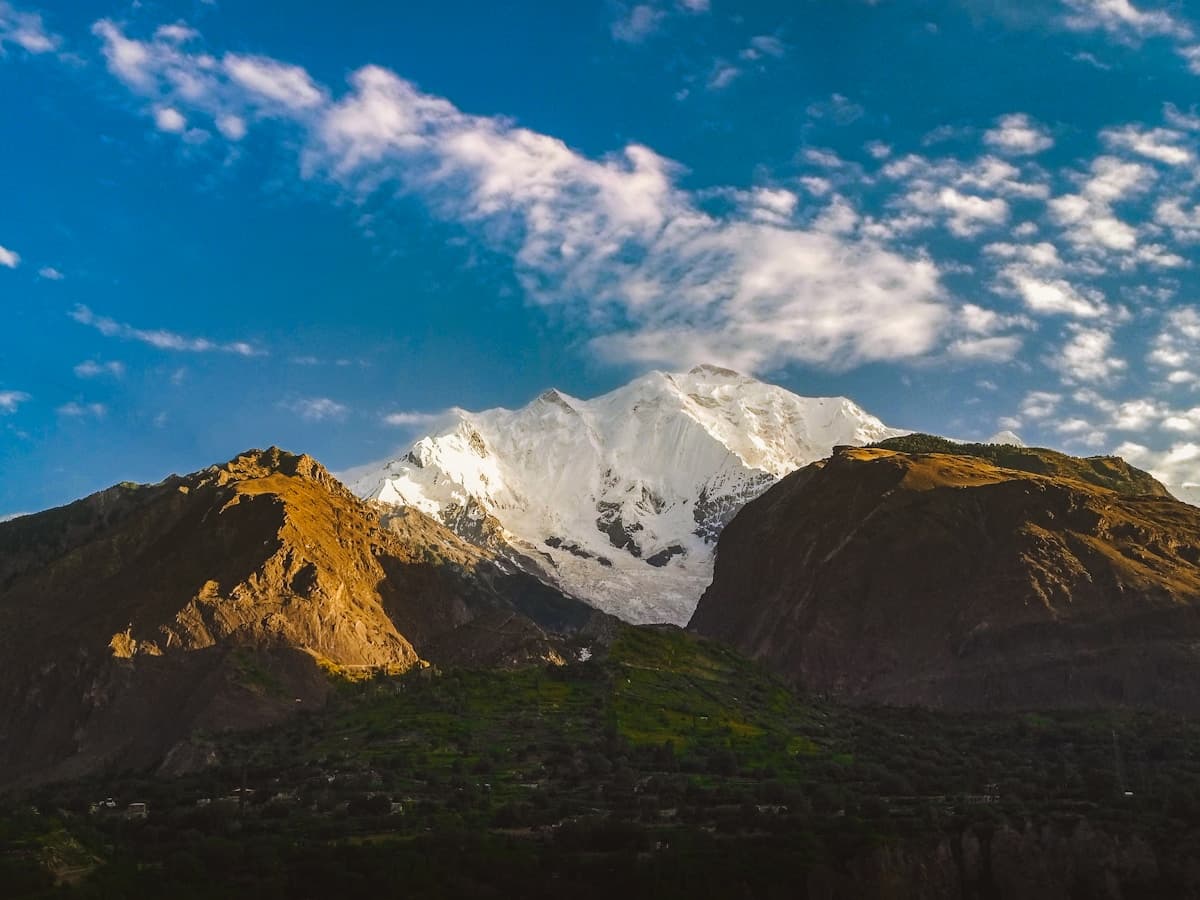
Every spring, the Hunza Valley transforms. The apricot trees: tens of thousands of them across Karimabad, Altit, Ganish, and the villages above: erupt into flower before a single leaf has appeared. For two to three weeks, the valley is pink and white against the backdrop of snow-covered peaks. It is one of the most photographed natural events in Pakistan.
This guide covers everything you need to plan around it.
When does the blossom peak?
The apricot blossom typically peaks in the second and third weeks of April, most often between April 10 and April 25. The exact timing shifts by a week or two depending on the winter: a cold winter pushes the bloom later, a mild one brings it forward.
Planning a trip to Hunza?
Rakaposhi, Attabad Lake, Baltit Fort, Raahi plans it privately, at the pace you want.
Free PDF with the daily breakdown, hotels, costs, and the routes we use. No spam. Unsubscribe in one click.
The sequence is roughly:
- Lower elevations (Ganish, Altit, Karimabad lower town): first week of April
- Mid-elevation orchards and Karimabad's main streets: mid-April
- Upper villages (Duikar, Ultar meadow approach): late April
This staggered bloom means the visual impact lasts two to three weeks even though any single tree is only fully in flower for about ten days.
Where to see it
The best viewpoints for blossom photography are:
- Duikar (Eagle's Nest): at 3,100 metres above Karimabad, looking down over the entire valley with Rakaposhi behind. Best at golden hour and sunrise.
- Baltit Fort area: the orchards directly below the fort are heavily photographed. The combination of ancient stone and pink blossom is classic Hunza.
- Altit village lanes: narrower, less-visited lanes between old stone houses and orchard walls. Less crowded than Karimabad centre.
- The road between Karimabad and Aliabad: the KKH cuts through blossom country here with continuous mountain views.
How to book accommodation
Blossom season is the single busiest period of the year in Hunza. Good properties fill up 6 to 8 weeks in advance, sometimes earlier. If you are planning an April trip, aim to have accommodation confirmed by late February at the latest.
The properties with the best blossom views tend to be on the upper terraces of Karimabad: you wake up to the valley spread out below with trees in flower. A few guest houses on the Duikar road have sunrise views that are genuinely exceptional.
What else to do during blossom season
Blossom season coincides with the valley coming alive after winter. The cultural programme is more active in April than at any other time.
- The Aga Khan Development Network properties (Baltit Fort, Altit Fort) are fully open and staffed
- Local food stalls sell dried apricots from the previous year alongside fresh produce
- The Hunza Cultural Festival sometimes runs in this window (check dates each year)
- Passu Cathedral Rocks are accessible for day trips; the cones look dramatic against spring skies
Note that Deosai National Park is still completely closed in April. The Deosai road does not open until June in most years. If Deosai is on your list, plan a separate trip later in the season.
Practical notes
April weather is variable. Warm sunny days are common but afternoon clouds build up, particularly as the month progresses. Rain is possible. Bring layers: evenings in Karimabad are cool even when afternoons are warm.
Crowds are heavier than any other time of year. The viewpoints at Duikar and Baltit Fort are busy from mid-morning onwards. If you want photographs without other tourists, plan to be at viewpoints before 8am or after 5pm.
Flights to Gilgit (the access airport for Hunza) are more weather-dependent in spring than in summer. Build a day of flexibility into each end of the trip.
Raahi runs Hunza trips year-round. Our Do Wadiyan 10-day itinerary combines Skardu and Hunza, with apricot blossom timing factored in for April departures. For what to do beyond the blossom season, see our things to do in Hunza guide and the Hunza in April guide. For Hunza only, get in touch and we will build the dates around the bloom.
Frequently Asked Questions
When exactly does the Hunza apricot blossom peak?
Typically mid to late April, most often between April 10 and April 25. The exact date shifts by 1 to 2 weeks depending on winter temperatures. Lower orchards (Ganish, lower Altit) bloom first, followed by Karimabad, then the upper villages. The full visual season lasts 2 to 3 weeks even though any individual tree is only in peak flower for about ten days.
How do I book accommodation for the Hunza blossom season?
Book by February at the latest for mid-April travel. The better properties in Karimabad fill completely for the blossom peak. Heritage hotels like Hunza Serena can be booked directly via their website. For mid-range options in Karimabad, contact us with your specific dates and we will confirm availability before you commit to flights.
Is the apricot blossom worth planning a trip around?
Yes, if you are visiting from outside Pakistan and have flexibility in your dates. The combination of pink and white orchards against snowcapped peaks, across tens of thousands of trees in the Karimabad terraces, is one of the most visually distinctive events in South Asian travel. The caveat: April is before Deosai opens and some high-altitude roads are unreliable. If Deosai or the Karakoram passes are your priority, plan for June instead.