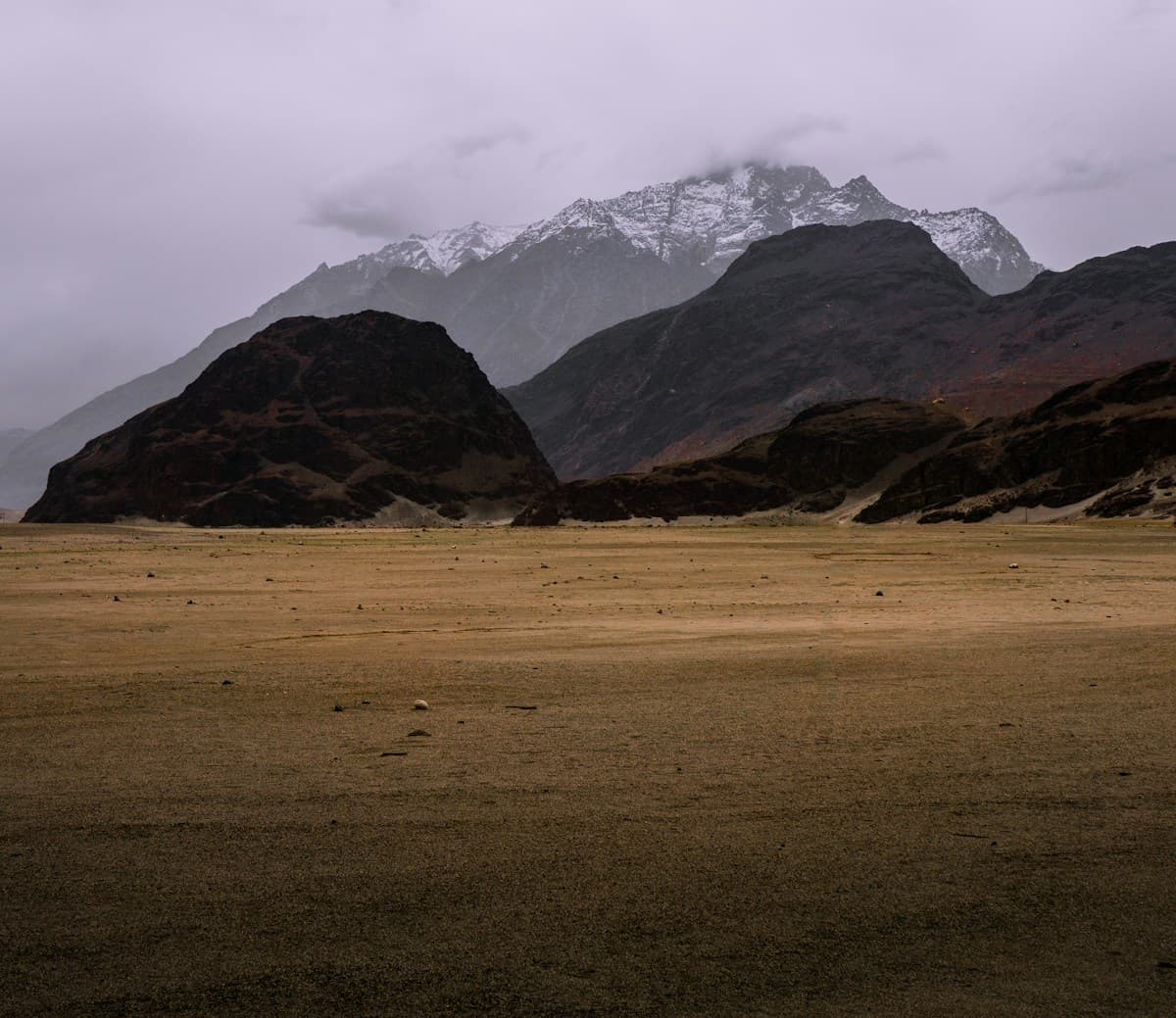
When someone asks us when to visit Skardu, our honest answer is always September. Not the popular answer (July is the conventional peak), not the Instagram answer (April blossom gets more attention for Hunza), but September: the month when all the conditions align and the crowds have mostly gone home.
The weather in September
September days in Skardu sit between 18 and 26 degrees Celsius. You can walk comfortably without the heat that characterises July and August (when valley temperatures push past 30 degrees). Evenings cool to 8 to 12 degrees: worth a fleece but not uncomfortable. The light is lower-angled than summer: longer shadows, warmer tones, better photography at every hour of the day.
Rain is uncommon. September sits just after the tail-end of any monsoon influence, and the sky in Skardu is typically clear and dry. Mountain views in September are often sharper than in July and August, when summer haze can reduce visibility. For the full year-round picture, see our Skardu weather by month guide.
Planning a trip to Skardu?
Private 4×4, boutique hotels, and a day-by-day itinerary built around what you want to see.
Free PDF with the daily breakdown, hotels, costs, and the routes we use. No spam. Unsubscribe in one click.
Deosai is still open in September
Deosai National Park typically remains accessible through September and into October, depending on snowfall. September is the window when the wildflower peak has passed (that was July-August) but the plateau is still green and the brown bear sightings are still reliable. The Sheosar Lake reflection in September morning light is, if anything, more dramatic than in midsummer: the lower sun angle hits the water at a shallower angle and the reflection is more vivid.
By late October, Deosai's road may close with the first heavy snow. September is your last chance to guarantee access without needing to check conditions.
Harvest season
September is when the Baltistan harvest is underway. In Shigar Valley and Khaplu, apricots are drying on flat rooftops in the sun: a specific smell and visual that is unique to this season. The orchards are transitioning from full green to early autumn colour. Mulberry and walnut harvests happen around this time. Walking through the villages in Shigar or Khaplu in September puts you in the middle of a working agricultural season in a way that July's tourist peak does not.
Significantly fewer tourists
Peak season in Skardu is July and August. By September the bulk of Pakistani domestic tourists (who make up the majority of summer visitors) have returned to work and school. International visitors are also fewer. The practical effects: Shigar Fort Palace has rooms available with less advance notice, roads are quieter, Kharpocho Fort has fewer people, and you can walk through the old bazaar in Khaplu without being the main attraction.
For couples, photographers, and anyone who values quiet over company, September is substantially better than August.
September for specific activities
Photography: The combination of low golden light, harvest scenes, clear mountain views, and early autumn colour makes September the strongest photography month of the year in Skardu. Shigar's poplar groves begin turning in the last week of September. Come with a camera and a long lens for the mountain faces in evening light.
Trekking: September is one of the best months for high-altitude trekking in the region. The monsoon risk has passed, temperatures are cool but not cold at lower elevations, and the trails are in good condition after summer use. K2 and Gondogoro La trekking season extends into September.
Family travel: School in Pakistan typically resumes in September, which means less crowded attractions and easier logistics. For families from outside Pakistan, September school holidays in some countries align well with this window.
The only caveat
Skardu flight cancellations are still possible in September, though less frequent than spring. Build one extra day on each end of the itinerary as standard practice. By September the PIA schedule is running reliably and demand on flights has dropped from the July-August peak, which means rebooking after a cancellation is easier.
If you have any flexibility in your travel dates at all, point them at September. Our Khwab Retreat (5 days), Aangan Retreat (7 days), and Sukoon Retreat all run through September. For month-by-month conditions, see the Skardu weather guide. For the full planning picture, see the Skardu complete travel guide. Tell us your dates and we will build the right itinerary.
Frequently Asked Questions
Is September the best time to visit Skardu?
For most travellers, yes. September combines comfortable temperatures (18 to 26°C), Deosai still fully open, significantly fewer tourists than July to August, harvest season underway in the agricultural valleys, and excellent mountain light. The one trade-off: popular accommodation books up for late September as travellers seek the early autumn colour, book a few weeks ahead.
What is the weather like in Skardu in September?
Days sit between 18 and 26°C with cool nights (8 to 12°C). The air is drier than August; mountain views are often cleaner and visibility longer. Rain is uncommon. Pack a fleece for evenings and always for Deosai, which runs 8 to 10 degrees cooler than the valley at 4,114 metres.
Is Deosai accessible in September?
Yes. Deosai National Park typically remains open through September and into mid-October. September is a strong month on the plateau: the wildflower peak has passed but bear activity remains high, Sheosar Lake morning reflections are excellent, and the landscape has shifted from green to a golden-brown that photographs differently but equally well. The road usually closes with the first heavy snowfall in mid-October.