Loading…
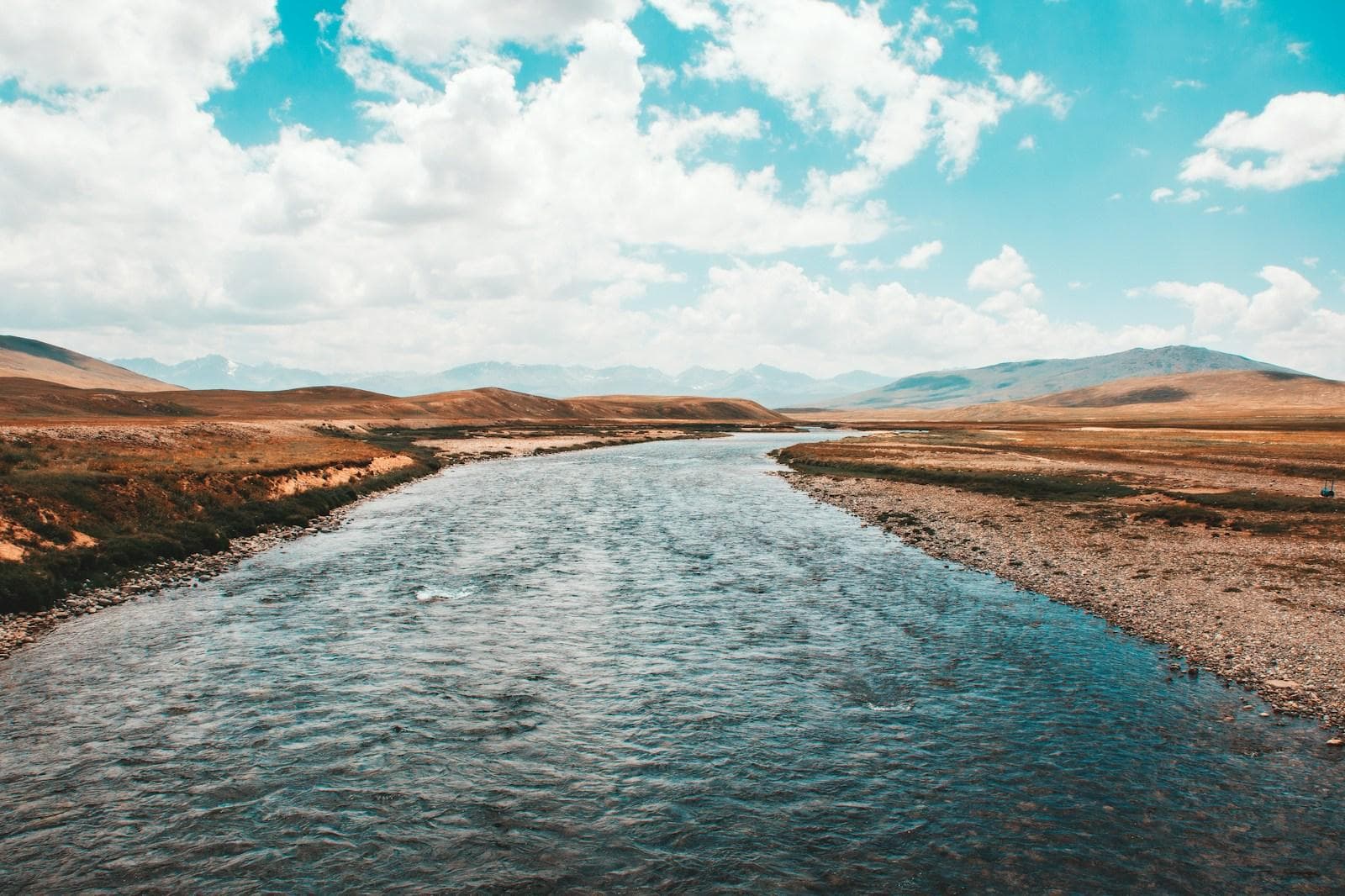
N 35°18′ · E 75°37′
Deosai National Park · 4,114m · New-moon overnights
Astrophotography on Deosai
The Milky Way from one of Asia's darkest skies. 4,114m altitude, no light pollution for 150km, flat horizon in every direction. Fully equipped overnight camp included.
The Sky at 4,114m
Deosai averages 4,114m, one of the world's highest accessible plateaus. At that altitude, the atmosphere is thinner, the air is drier, and there is no urban glow within 150km. The Milky Way is visible to the naked eye as a true band of light. The plateau is flat enough that the galactic core rises from one horizon and arcs to the other without obstruction.
On a new-moon night in July or August, the sky over Deosai is Bortle scale class 2 to 3, comparable to remote desert observing sites. Long-exposure photographs capture star trails, the galactic core, and satellite trails in the same frame as the silhouetted plateau.
What Makes This Unique
- ✦Horizon-to-horizon Milky Way: The flat plateau means no mountains blocking the arc.
- ✦New-moon timing: Raahi schedules your Deosai night within your travel window to avoid moonrise interference.
- ✦Wildlife: Himalayan brown bears are on the plateau, a guide is with you at all times after dark.
- ✦Wildflower foreground: July to August camp has wildflowers as foreground elements at dusk.
Booking Details
- ✦Included: Transport, guide, camp, meals and park entry. Message us for a current price.
- ✦Season: June to September only. Best: July (wildflowers) and August to September (clearest skies).
- ✦Advance notice: 3 to 5 days to check new-moon dates and confirm park logistics.
- ✦Altitude pre-req: Minimum 2 nights in Skardu (2,400m) before the Deosai overnight.
- ✦Gear: Bring your camera, tripod, warm layers, and headlamp. Camp gear provided.
What Raahi Handles
- ✦New-moon window selection within your travel dates.
- ✦4x4 transport Skardu → Deosai → Skardu (2hr each way).
- ✦Fully equipped 4-season camp: tent, -10°C sleeping bag, mat, dinner, breakfast.
- ✦Guide with you throughout the night, bear awareness is required on Deosai.
- ✦Basic astrophotography settings guidance for your specific camera.
Frequently Asked Questions
Why is Deosai good for astrophotography?
Deosai at 4,114m sits at one of the highest sustained elevations in the world. There is no urban light pollution within 150km, the nearest city (Skardu) is a two-hour drive. At this altitude the atmosphere is thinner and drier, giving exceptional transparency. The plateau is completely flat, meaning the full Milky Way arc is visible from horizon to horizon on a clear new-moon night. Bortle scale class approximately 2 to 3, comparable to remote desert observing sites.
Do I need a camera or astrophotography skills?
A DSLR or mirrorless camera with a wide-angle lens (14 to 24mm) and manual controls is ideal. Raahi can provide basic camera settings guidance (ISO, aperture, exposure time for Milky Way shots). A sturdy tripod is essential, bring your own or we can source one locally. If you only have a smartphone, modern night-mode phones (iPhone 15, Pixel 8 and newer) can capture the Milky Way adequately from Deosai; guidance on settings is provided. This is not a professional workshop, but we will help you get the shot.
When is the best time for Deosai astrophotography?
June through September, timed to the new moon. Deosai is only accessible June to early October (snow blocks the road outside this window). The new-moon window (3 nights either side of new moon) gives the darkest skies. July and August are warmest for overnight camping. September is drier and often the clearest, but temperatures at 4,100m drop to near 0°C by midnight. Raahi times your Deosai overnight to the nearest new-moon date within your travel window.
What is the altitude risk at Deosai overnight?
Deosai averages 4,114m, higher than Everest Base Camp approach camps. Most visitors who have spent at least one full day in Skardu (2,400m) acclimatise well for a day visit. An overnight at 4,100m is more demanding: mild headache and disrupted sleep are common. We require guests to have spent at least two nights in Skardu before the Deosai overnight. Guests with cardiovascular or respiratory conditions should consult a doctor. Emergency descent to Skardu takes about 90 minutes.
What camping setup is provided?
Raahi provides a fully equipped camp: sleeping tent (4-season rated for Deosai temperatures), sleeping bag (rated to -10°C), foam mat, meals (dinner + breakfast), and a guide/driver. You do not need to bring camping gear. Bring warm layering clothes (a down jacket is essential), headlamp, personal medication, and your photography equipment. A small rest house near Sheosar Lake is sometimes available as an alternative to tenting, confirm at booking.
How much does the Deosai astrophotography overnight cost?
An overnight Deosai astrophotography session covers 4x4 transport from Skardu, a guide, a full camping setup, park entry and meals. The cost depends on group size and current park fees (Deosai National Park charges entry for all visitors). Raahi will confirm the exact cost when you message with your dates and group size.
Book Your Deosai Night Sky Session
Tell us your travel dates and group size. We'll identify the new-moon window, confirm park logistics, and build the overnight into your Skardu itinerary.
Book Astrophotography Night