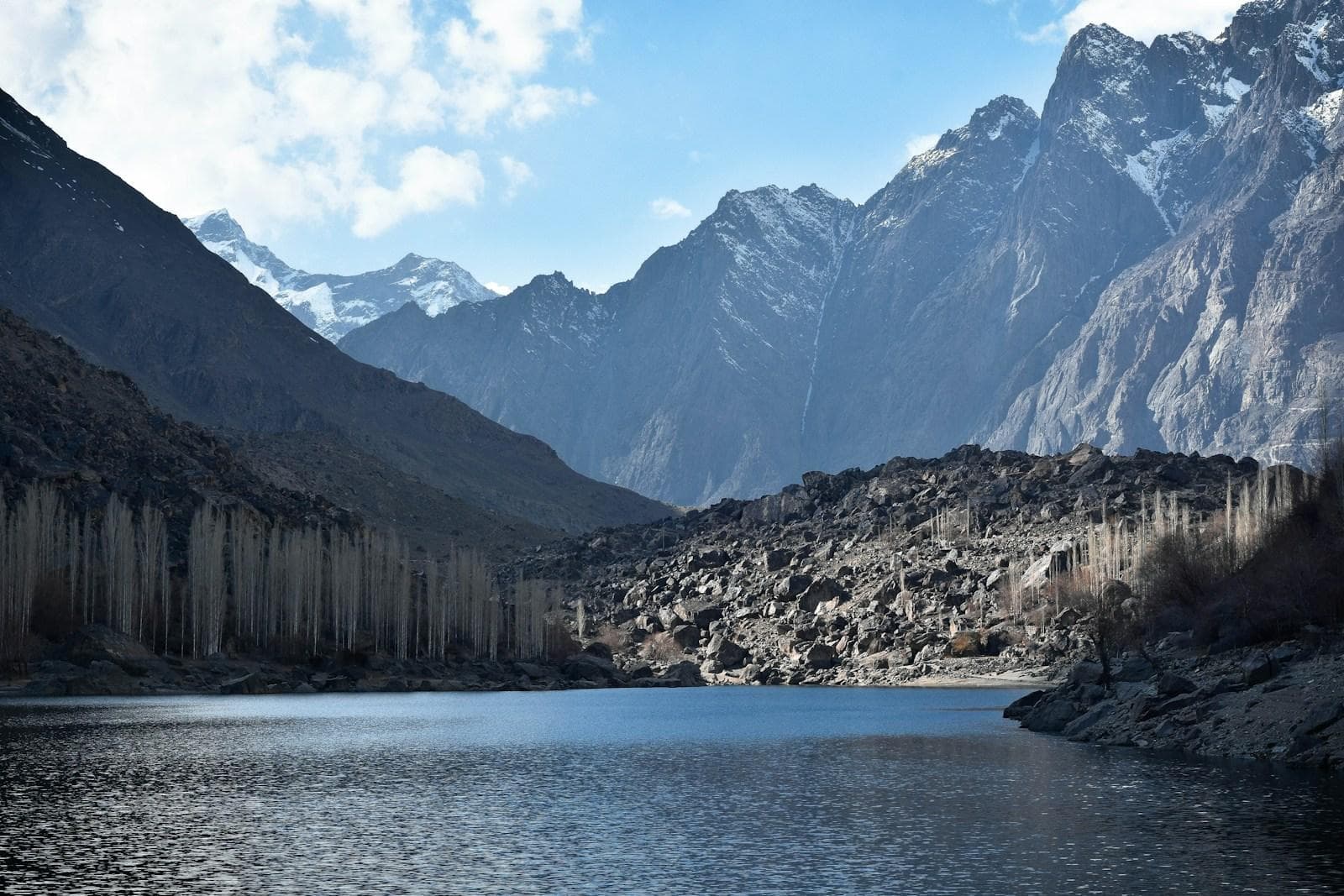
Skardu does not position itself as a honeymoon destination, which is part of what makes it a good one. There are no manufactured romantic packages, no overpriced champagne-on-arrival setups, and no crowds of other couples doing the same thing. What there is: a 400-year-old palace hotel in a valley that has fewer visitors than a mid-size town's Sunday market, drives that cover some of the most dramatic mountain landscapes in Asia, and nights at altitude dark enough to see the Milky Way without any special effort.
Shigar Fort Palace: where to stay
The foundation of a Skardu honeymoon is Shigar Fort Palace, a Serena Heritage property 30 minutes from Skardu city. The fort was built in the 17th century as the royal palace of the Shigar rajas; the Aga Khan Trust for Culture restored it in the early 2000s without removing the substance of the original. Rooms open onto a walled garden with walnut trees and stone walls three metres thick. The kitchen serves Balti dishes using local produce. There are no televisions in the rooms, which is a deliberate choice that has aged well.
The property has a small number of rooms, which means the staff-to-guest ratio is high and the atmosphere is private. Even in peak season, the fort garden at 7am is likely to be yours alone. This is the right place for a couple who want genuine immersion rather than a hotel that happens to be in the mountains. Rates in peak season run approximately PKR 60,000 to 80,000 per night; reserve three to four months ahead for July and August.
Planning a trip to Skardu?
Private 4×4, boutique hotels, and a day-by-day itinerary built around what you want to see.
Free PDF with the daily breakdown, hotels, costs, and the routes we use. No spam. Unsubscribe in one click.
The private 4x4: what it adds
Skardu is not a walking destination. The distances between attractions, Skardu city to Shigar (30 minutes), to Deosai (2 hours), to Khaplu (3 hours), to Kachura Lakes (40 minutes), require a vehicle. A private 4x4 with a driver, rather than shared transport, transforms the experience: you stop where you want, you leave when you're ready, and no one else's schedule governs the day. For a honeymoon in particular, a shared jeep full of other tourists is a significant downgrade from a private one. All Raahi tours are private by default.
Deosai: the stargazing case
The argument for overnight camping at Deosai National Park on a honeymoon trip is simple: the plateau sits at 4,100 metres with no settlements and no light pollution, and on a clear night the Milky Way appears as a solid band across the sky rather than a faint suggestion. The experience requires a night at the park rest house or a properly equipped tent with warm sleeping gear (temperatures drop to 5 to 8 degrees Celsius even in July). If clear skies are a priority, build one Deosai overnight into the itinerary. The bear sightings and the wildflower plateau are good reasons to go during the day; the sky is the reason to stay the night.
Kharpocho Fort at sunset
Above Skardu city, Kharpocho Fort is a 20-minute climb to a platform with a 360-degree view over the Indus-Shigar confluence and the Karakoram. In the late afternoon, the light on the valley is warm and the mountains turn amber as the sun drops. It costs nothing, requires no vehicle, and takes 45 minutes total. It is the kind of experience that does not require a tour company, just the right time of day.
Timing advice
September is Raahi's strongest recommendation for a Skardu honeymoon. The tourist numbers are lower than July and August (the school holiday crowds have gone home), temperatures are comfortable, 18 to 26 degrees during the day, and Deosai is still open through most of October. The light in September is lower-angled than summer: warmer tones, longer shadows, better photography at every hour. The Shigar poplar trees begin to turn gold in late September and October, adding colour to the valley that summer does not have.
June is the second-best option: full access, pre-crowd season, and Deosai opens in mid-June. July and August work but involve booking accommodation very early and accepting higher visitor numbers at the popular spots.
What to book in advance
Shigar Fort Palace first, this is the most time-sensitive booking in the itinerary, as it has limited rooms and peaks out well ahead of the season. Then Deosai overnight if that is on the agenda (the park rest house requires advance coordination). Then flights, which require a buffer day at both ends due to weather cancellations on the Islamabad-Skardu route.
Raahi builds private Skardu itineraries for couples specifically, with Shigar Fort Palace as the anchor and the itinerary structured around the pace you want rather than a group schedule. Our Khwab Retreat is the standard 5-day template; we adjust it for honeymooners who want more time in Shigar and less in transit. Tell us your dates and we will put together the right plan.
Frequently Asked Questions
Is Skardu a good honeymoon destination?
Yes, particularly for couples who prefer landscapes and genuine experiences over resort infrastructure. The combination of Shigar Fort Palace (a 17th-century heritage hotel), private mountain drives, stargazing at Deosai (4,100m), and significantly lower visitor numbers than comparable mountain destinations makes Skardu a strong alternative to beach honeymoons. It works best for couples comfortable with the idea that "luxury" here means a walled garden in a fort, not a rooftop infinity pool.
What's the most romantic stay in Skardu?
Shigar Fort Palace is the answer without qualification, a 17th-century Balti royal palace restored by the Aga Khan Trust, with rooms opening onto a garden courtyard, thick stone walls, and views of the Shigar Valley. The Kachura Lake properties are a second option for couples who want to be directly on the water. Both require advance booking: get in touch and we will confirm availability for your dates.
When is the best time for a Skardu honeymoon?
September is the strongest recommendation: comfortable temperatures (18 to 26°C), fewer tourists than peak summer, Deosai still open, and the beginning of autumn colour in the Shigar poplar groves. June is the second-best option for full access with pre-crowd conditions. July and August are fully accessible but busier, book accommodation 3 to 4 months ahead if travelling in peak season.