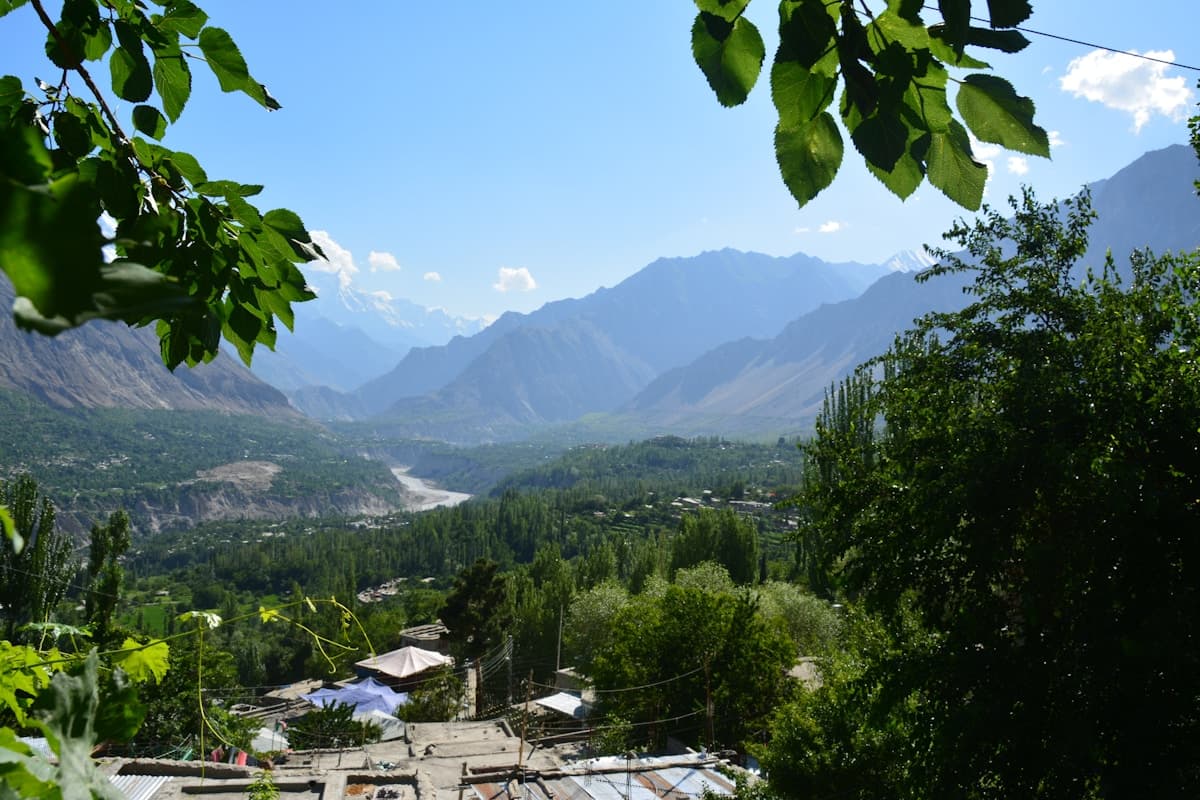
Baltit Fort stands on a rock bluff above Karimabad, at approximately 2,560 metres, with an uninterrupted view down the Hunza Valley to Rakaposhi (7,788m) on the opposite side. It has been here in some form for around 900 years, making it older than many of Europe's most visited castles. The current structure was heavily modified in the 17th century after a Balti princess brought craftsmen from Tibet; what you see today is a hybrid of Central Asian, Tibetan, and local Hunzakut construction that is unlike anything else in the Karakoram.
The history in brief
Baltit was the seat of the Mirs of Hunza, the hereditary rulers who governed this valley for centuries. The fort changed hands through succession, marriage, and occasional conflict. When the last Mir abdicated in 1974 following the integration of Hunza into Pakistan, the fort was donated to the Aga Khan Trust for Culture and underwent a decade-long restoration that finished in 1996. The restoration received the Aga Khan Award for Architecture in 1998. The fort is now managed by the Baltit Heritage Trust and is one of the finest examples of heritage conservation in South Asia.
Baltit predates the current structure of Altit Fort (3 kilometres south) in its current form, though Altit's foundations are older. The two forts together represent the dynastic history of Hunza from the early medieval period to the 20th century.
Ready to plan your trip?
Tell us where you want to go and how long you have. We build the itinerary around what matters to you.
Free PDF with the daily breakdown, hotels, costs, and the routes we use. No spam. Unsubscribe in one click.
What you see inside
The interior is arranged across multiple floors and includes: the Mir's sleeping quarters (furnished as they were in the early 20th century), the audience hall where formal receptions were held, storage rooms for grain and weapons, a watchtower with views on all four sides, and an extensive series of wooden balconies and carved screens typical of Central Asian palatial architecture. The exhibits are in English and Urdu, with enough contextual material to give non-specialist visitors a solid grounding in Hunza history without overwhelming the visit.
The roof is the destination. At the highest point of the fort, standing on the watchtower, you have 360-degree views: the Hunza Valley stretching south and north, Rakaposhi directly across, Ultar Sar above and behind you, the KKH visible as a thin line far below. This is not a managed viewpoint with a railing and a plaque, it is the working roof of a medieval fortification, accessed by steep timber ladders, which makes it more memorable.
Practical visit information
Baltit Fort opens daily except during Friday prayers. Opening hours are approximately 9am to 5pm in summer, with reduced hours in shoulder season. Confirm current times with your hotel or driver before going, as they adjust seasonally. Admission is charged at the entrance; guided tours are available and genuinely add value, the guides know the dynastic history and the restoration story, both of which enrich the visit considerably. Allow two hours for a thorough visit, one and a half if you are on a tighter schedule.
The fort is a 10-minute walk uphill from Karimabad's main bazaar on a paved lane. The walk is steep but short. No vehicle access to the fort entrance itself. Wear shoes with some grip: the interior floors are smooth stone, and the ladders to the upper levels are steep and uneven.
What to combine it with
Baltit and Altit in the same morning is the standard pairing: leave Karimabad at 9am, spend two hours at Baltit, walk or drive 3 kilometres south to Altit, and be back for lunch. The Altit village lane walk between the two forts passes through some of the most intact historical settlement fabric in Hunza, low stone walls, apricot orchards, and wooden-balconied houses.
If you are visiting during the blossom season (mid-April), the orchards directly below Baltit Fort are heavily photographed at this time: the combination of ancient stone walls and white blossom against Rakaposhi's snow is the image that defines Hunza in spring. The autumn season in October brings a different but equally compelling version: golden poplars in the valley below the fort and clear mountain air.
Baltit Fort is included in all Raahi tours that cover Hunza. For a full list of what to do in the valley, see our Hunza destination guide. Our tour itineraries include private guided fort visits with local guides who know the restoration history. Get in touch to plan your Hunza trip.
Frequently Asked Questions
What is the history of Baltit Fort?
Baltit Fort has stood above Karimabad in some form for around 900 years and was the seat of the Mirs of Hunza, the hereditary rulers of the valley. It was heavily modified in the 17th century, when a Balti princess brought Tibetan craftsmen to Hunza, giving the fort its hybrid Central Asian, Tibetan and Hunzakut character. The last Mir abdicated in 1974 after Hunza was integrated into Pakistan, and the fort was donated to the Aga Khan Trust for Culture, which completed a decade-long restoration in 1996. That work won the Aga Khan Award for Architecture in 1998. The fort is managed today by the Baltit Heritage Trust.
Where is Baltit Fort located?
Baltit Fort is in Karimabad, the main settlement of Hunza Valley in Gilgit-Baltistan, northern Pakistan. It stands on a rock bluff above the village at approximately 2,560 metres, about a 20-minute walk up from the Karimabad bazaar, facing Rakaposhi (7,788m) across the valley.
How long does a visit to Baltit Fort take?
Allow two hours for a thorough visit including the guided tour, all rooms, and time on the roof. One and a half hours is possible if you are on a tighter schedule. The guided tour adds around 45 minutes but is worth it, the guides provide context on the dynastic history and restoration that the exhibit panels alone do not fully convey.
What's the difference between Baltit Fort and Altit Fort?
Baltit Fort was the seat of the ruling Mirs of Hunza and has been more extensively restored, it is now a well-presented museum with furnished rooms and structured exhibits. Altit Fort, 3 kilometres south, has older foundations (some parts date to around 1,000 years ago), a more dramatic setting above a 1,000-metre drop to the Hunza River, and a less complete restoration that gives it a rawer quality. Both are worth visiting in the same morning.
Can you stay the night at Baltit Fort?
Yes, Baltit Fort operates a guest wing managed by Serena Hotels, with rooms inside the historic structure looking directly over the Hunza Valley to Rakaposhi. It is one of the most unusual stays in Pakistan: limited rooms, no television, thick stone walls, and a setting that few hotels in the world can match. Reserve two to three months ahead for April and July to August peak season.