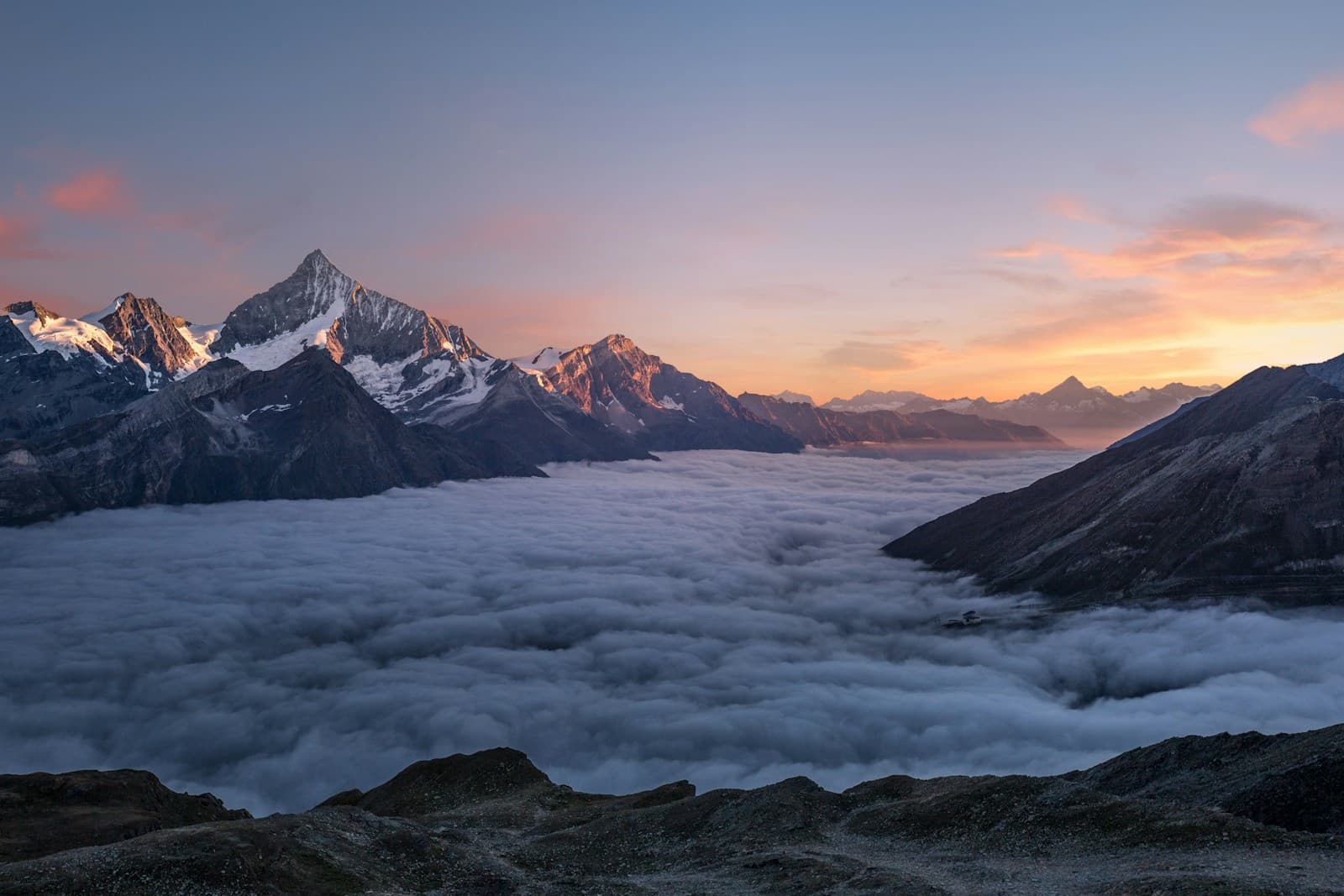
Gilgit-Baltistan is one of Pakistan's most visited regions for international tourists, and the vast majority of areas, Hunza Valley, Skardu, Shigar Valley, Deosai National Park, and the Karakoram Highway, require no special permit for foreigners. You arrive, present your passport at any checkpoint, and continue.
However, specific areas, particularly high-altitude trekking routes near the Line of Control (LoC), certain valleys near the Afghan border, and designated restricted zones, do require a No Objection Certificate (NOC) that must be arranged before travel. Knowing which is which saves a wasted journey to the wrong checkpoint with the wrong paperwork.
Areas Open to Foreigners Without a Permit
The following areas are freely accessible to all foreign tourists with a valid Pakistani visa:
Planning a trip to Skardu?
Private 4×4, boutique hotels, and a day-by-day itinerary built around what you want to see.
Free PDF with the daily breakdown, hotels, costs, and the routes we use. No spam. Unsubscribe in one click.
- Hunza Valley, including Karimabad, Altit, Gulmit, Passu, and Sost
- Khunjerab Pass, the Pakistan-China border at 4,893m (the Chinese side requires a Chinese visa)
- Skardu city and district, including Kachura Lakes, Kharpocho Fort, Shigar Valley
- Deosai National Park, entry fee required, no permit
- Gilgit city and most of the main Karakoram Highway corridor
- Khaplu and most of the Shyok River valley below the LoC restricted zone
In practical terms, most tourist itineraries in Gilgit-Baltistan fall entirely in the open zone. You will encounter police checkpoints on major roads where you show your passport, this is routine, takes one minute, and requires no advance paperwork.
Areas That Require an NOC
A No Objection Certificate from the Ministry of Interior (or occasionally Ministry of Tourism) is required for:
- Baltoro Glacier trekking routes, including the approach to K2 Base Camp, Concordia, Broad Peak, and Gasherbrum Base Camps. These also require a separate trekking permit from the Alpine Club of Pakistan.
- Restricted valleys near the Line of Control, specific valleys in Ghanche District (eastern Baltistan) close to the LoC with India/Indian-administered Kashmir. The exact restricted zones change periodically; verify current status with your operator.
- Nanga Parbat Base Camp approaches from Diamer District, some routes require NOC, others do not. The Fairy Meadows approach via Raikot is generally open; check with a licensed operator for current status.
- Certain border-adjacent valleys in Ishkoman and Yasin (Ghizer District), near the Afghan border area. Tourism in these valleys is limited; requirements vary by specific route.
How to Get an NOC
NOC applications are made through a licensed Pakistani trekking or tour operator registered with the Pakistan Tourism Development Corporation (PTDC). You cannot apply independently as a foreign individual, the operator acts as your sponsor and submits the application on your behalf.
The process typically takes 7 to 14 working days from submission. Required documents usually include: a copy of your passport and visa, passport photos, a detailed itinerary, and the operator's registration details. Apply at least three weeks before your intended departure from Islamabad or Gilgit to allow for processing delays.
For K2 Base Camp and Baltoro trekking specifically, you also need an Alpine Club of Pakistan trekking permit, which your licensed trekking company will arrange as part of the package. See the K2 Base Camp trek guide for the complete permit checklist.
What to Carry at Checkpoints
On any main road in Gilgit-Baltistan you will encounter checkpoints staffed by police or the Frontier Corps. At open-zone checkpoints, carry:
- Your original passport (not a photocopy)
- Your Pakistani visa (stamped in passport or e-visa printout)
- A copy of your hotel or guesthouse booking confirmation for the next destination
In restricted zones or on permitted trekking routes, also carry your NOC (original, not a copy) and your trekking permit. Rangers at the Askole checkpoint for Baltoro trekkers will check all documentation before allowing entry onto the glacier approach.
Checkpoint stops are routine and almost always brief, typically 1 to 5 minutes to record your name and passport number in a ledger. Cooperate, be patient, and keep documents accessible. Raahi drivers know all checkpoint locations on our standard routes and manage this process as part of the transfer.
Visas for Pakistan: The Starting Point
Before thinking about NOCs, ensure your Pakistan visa is in order. Most nationalities can now obtain an e-visa online through the Pakistan NADRA portal (nvisas.gov.pk). Processing typically takes 3 to 7 business days. Citizens of certain countries (including many European and North American passports) can also get a visa on arrival at Islamabad airport.
Your Pakistan visa should be valid for tourist activities. Some visa types restrict travel to certain provinces, confirm that your visa permits travel to Khyber Pakhtunkhwa (for the KKH approach) and Gilgit-Baltistan specifically.
Common Questions at Checkpoints
Checkpoint officers typically ask: where are you coming from, where are you going, how long are you staying, and who arranged your transport. Having the name and number of your guesthouse and the name of your driver's company is useful. Raahi provides all guests with a confirmation document that includes our company details and your itinerary, this is accepted at checkpoints as a supplementary document.
Photography at or near checkpoints is not permitted. Keep your camera packed until you are well past the barrier. Military installations, bridges, and border infrastructure are also off-limits for photography in Pakistan, the rules are rarely enforced against tourists who make an honest mistake, but it is worth being aware of.
For personalised advice on permits for your specific planned route, contact Raahi. We have handled permits and checkpoint documentation for dozens of international groups across Gilgit-Baltistan and can advise on current requirements for any destination.
Frequently Asked Questions
Do foreigners need a permit to visit Hunza or Skardu?
No. Hunza Valley, Skardu, Shigar, Deosai, and the main Karakoram Highway corridor are fully open to foreign tourists with a valid Pakistani visa. No special permit or NOC is required for any standard tourist itinerary in these areas.
Which areas require an NOC in Gilgit-Baltistan?
Primarily: Baltoro Glacier trekking routes (K2, Broad Peak, Concordia), restricted valleys near the Line of Control in Ghanche District, and some border-adjacent routes in Ghizer District. The vast majority of Gilgit-Baltistan tourist areas do not require an NOC.
How do I apply for an NOC in Pakistan?
Through a licensed Pakistani tour or trekking operator registered with PTDC. You cannot apply as an individual, the operator acts as your sponsor. Allow 7 to 14 working days for processing. Apply at least three weeks before your intended departure to allow for delays.
What documents should I carry at checkpoints in Gilgit-Baltistan?
Your original passport, your Pakistani visa, and a hotel booking confirmation for your next destination. In restricted areas or on trekking permits, also carry your original NOC and trekking permit. Photocopies are not accepted at trekking checkpoints.
Is it safe at checkpoints in Gilgit-Baltistan?
Checkpoints in Gilgit-Baltistan are routine police or Frontier Corps posts. They are not indicators of danger, they are standard procedure throughout the region. Stops are typically 1 to 5 minutes. Hundreds of international tourists pass through these checkpoints every day without incident during the tourist season.
Can Indian citizens visit Gilgit-Baltistan?
In practice, this is very difficult under current conditions. Pakistan does not routinely issue tourist visas to Indian passport holders, and where a visa is granted it is typically restricted to a small number of major cities rather than Gilgit-Baltistan. Parts of the region sit close to the Line of Control and fall under the NOC system described above, which is separate from and additional to the visa itself. Both governments currently advise against travel between the two countries, and this is a government-to-government policy area that can change with little notice, not something a tour operator can arrange around. The only reliable current answer is to check directly with the Pakistan High Commission and India's Ministry of External Affairs travel advisory before making any plans.