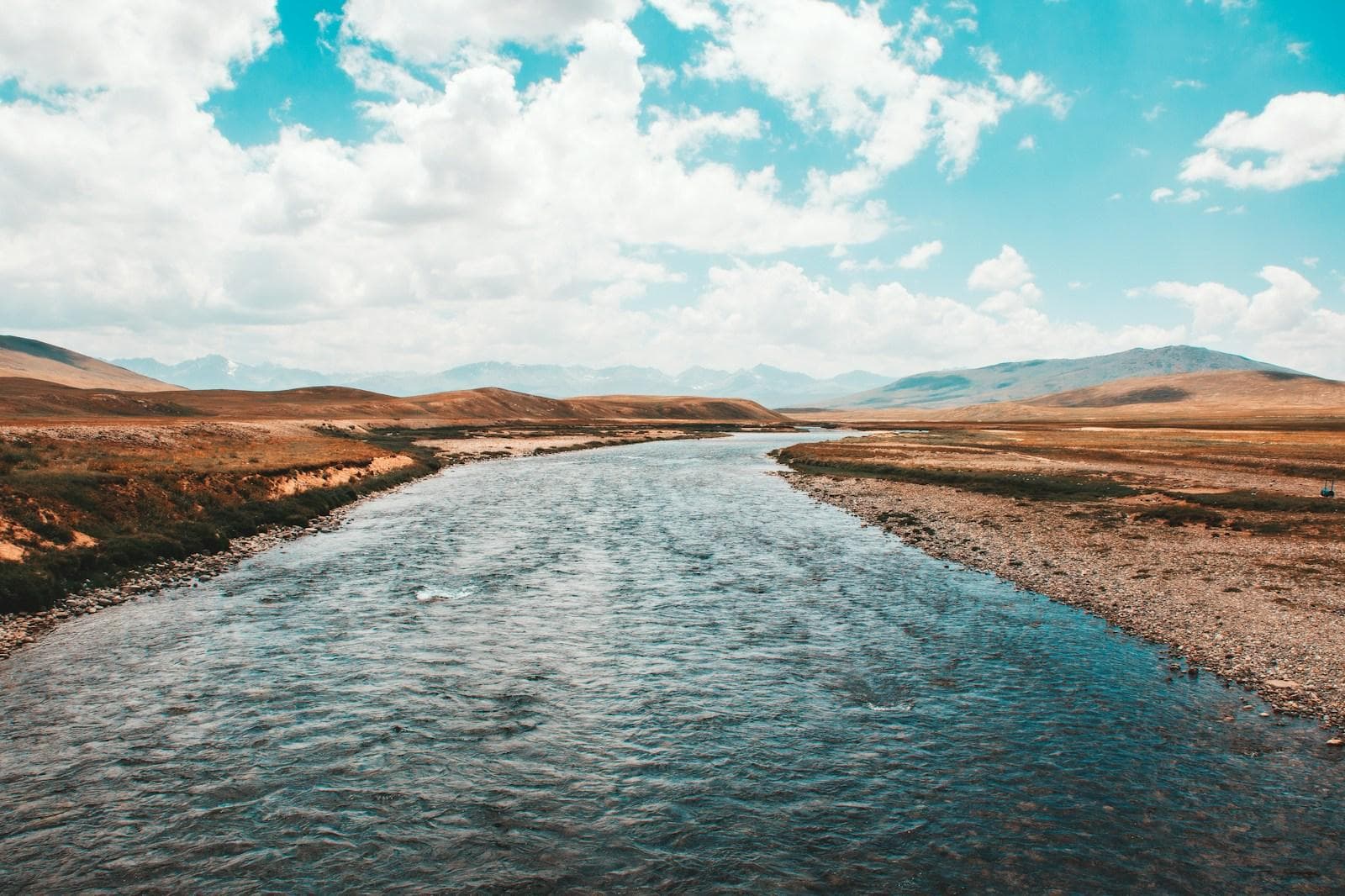
At 4,114 metres, Deosai National Park is one of the world's highest plateaus. For much of the year it is brown and frozen. For roughly eight weeks in summer, from late June through August, the entire surface transforms into a wildflower meadow at altitude that has no real equivalent anywhere else in Pakistan.
When do the Deosai wildflowers bloom?
The bloom season runs from late June through the end of August, peaking in July. The plateau emerges from snowmelt in stages: lower-elevation sections near the entrance road come into colour first, with the high central plateau and the terrain around Sheosar Lake reaching peak bloom by mid-July. By early September, most flowers have seeded and the plateau begins its transition back toward the brown of late autumn.
The exact timing varies year to year depending on how late the snow melts. A heavy winter snowfall pushes the season later by a week or two. Checking with local operators in late June gives you the most accurate read on current conditions.
Planning a Deosai visit?
June to September only, 4×4 required, and worth building a full day around. We handle the logistics.
Free PDF with the daily breakdown, hotels, costs, and the routes we use. No spam. Unsubscribe in one click.
What flowers grow on Deosai?
The dominant wildflower species on Deosai include buttercups, primulas, edelweiss, and gentians. In peak bloom the plateau is a continuous carpet of yellow, white, purple, and blue at ground level, with the mountain horizon above and open sky in all directions. There are no trees on Deosai at this altitude: nothing interrupts the view from flower to sky. The scale is what makes it unusual, this is not a flower-bordered trail but a 3,000-square-kilometre blanket of colour.
Alpine grasses support the wildflower meadows, and together they form the habitat that sustains the plateau's wildlife, including the Himalayan brown bear, wolf, snow leopard, and red fox. The bears are most visible in July and August precisely because the flowering season produces the insect and plant food they depend on before winter.
Brown bears and wildflowers
The connection between the wildflower season and bear sightings is direct. Deosai's Himalayan brown bears (the largest remaining wild population in Pakistan, estimated at around 50 individuals) feed on insects, berries, roots, and early-season grasses. July and August, peak wildflower season, is also peak bear-activity season. Bears are seen most frequently in the morning and late afternoon, often in open meadow terrain. Sightings from the road or from a slow-moving vehicle are common in this window.
The park rules require you to remain in your vehicle when bears are in the area. A good local driver knows the terrain and the sighting spots.
Best spots for wildflowers in Deosai
The meadows around Sheosar Lake are the most accessible and consistently the most photographed: the lake's deep blue against the surrounding wildflower fields and the mountains behind is the image most associated with Deosai. The terrain between the Skardu entry point (Kala Pani) and the central plateau is equally good and often less visited by day-trippers who turn around at Sheosar.
The high plateau section near Bara Pani is reached by continuing past Sheosar Lake on the track toward the Astore Valley exit. Few day visitors go this far, which makes it quieter. The flower density here in mid-July can be remarkable.
How to visit Deosai for the wildflowers
Deosai is a full-day trip from Skardu. The drive from Skardu city to Sheosar Lake takes around two hours, climbing from 2,400 metres to over 4,000 metres. A 4x4 is mandatory, the road is unpaved and crosses streams. A private vehicle with a driver who knows the park is strongly recommended: the plateau is large and featureless to a first-time visitor, and the bear-viewing spots are not marked.
Start early. Morning light on the wildflower meadows is better for photography than midday. Mornings also give the best chance of bear sightings before the plateau heats up. Allow 5 to 6 hours on the plateau including time at Sheosar Lake, a walk in the meadows, and a slow return. Bring warm layers: at 4,100 metres the temperature drops quickly if cloud comes in, even in July.
Is an overnight in Deosai worth it?
Yes, for two specific reasons: the Milky Way, and the wildlife hours at dawn. Deosai has almost zero light pollution at altitude. On a clear night in July or August, the astrophotography and naked-eye stargazing are exceptional. Dawn is also the best time for bear and bird activity. The campsites near Sheosar Lake are basic; bring proper camping equipment. Raahi can arrange overnight Deosai stays with camping logistics as part of a wider Baltistan itinerary.
Deosai is included in our Khwab Retreat (5-day) and Aangan Retreat (7-day) tours. For a combined Skardu and Hunza trip that includes Deosai, see the Do Wadiyan 10-day itinerary. For broader Skardu planning including month-by-month weather, see our Skardu weather by month guide. Plan your Deosai visit with Raahi.
Frequently Asked Questions
When is the best time to see wildflowers in Deosai?
Peak bloom is mid-July through early August. The plateau emerges from snow in late June; by mid-July the wildflower carpet is at its densest. A heavy winter pushes the season one to two weeks later. Early September sees the flowers beginning to seed and the colour fading.
What flowers grow on Deosai National Park?
Deosai's wildflower species include buttercups, primulas, edelweiss, and gentians, among others. In peak bloom the plateau is a continuous carpet of yellow, white, purple, and blue extending across 3,000 square kilometres of high-altitude grassland.
Can you see brown bears during wildflower season?
Yes, July and August are the best months for bear sightings. Deosai's Himalayan brown bears feed on insects, grasses, and roots during the flowering season. They are most active in the morning and late afternoon on open meadow terrain. Remain in your vehicle when bears are in the area.
How do I get to Deosai National Park?
Deosai is accessed from Skardu, approximately two hours by road (4x4 required). The road climbs from Skardu at 2,400m to the plateau at 4,100m. The park road opens in mid-June and closes with the first heavy snowfall, usually October. A private 4x4 with a local driver is the standard way to visit.