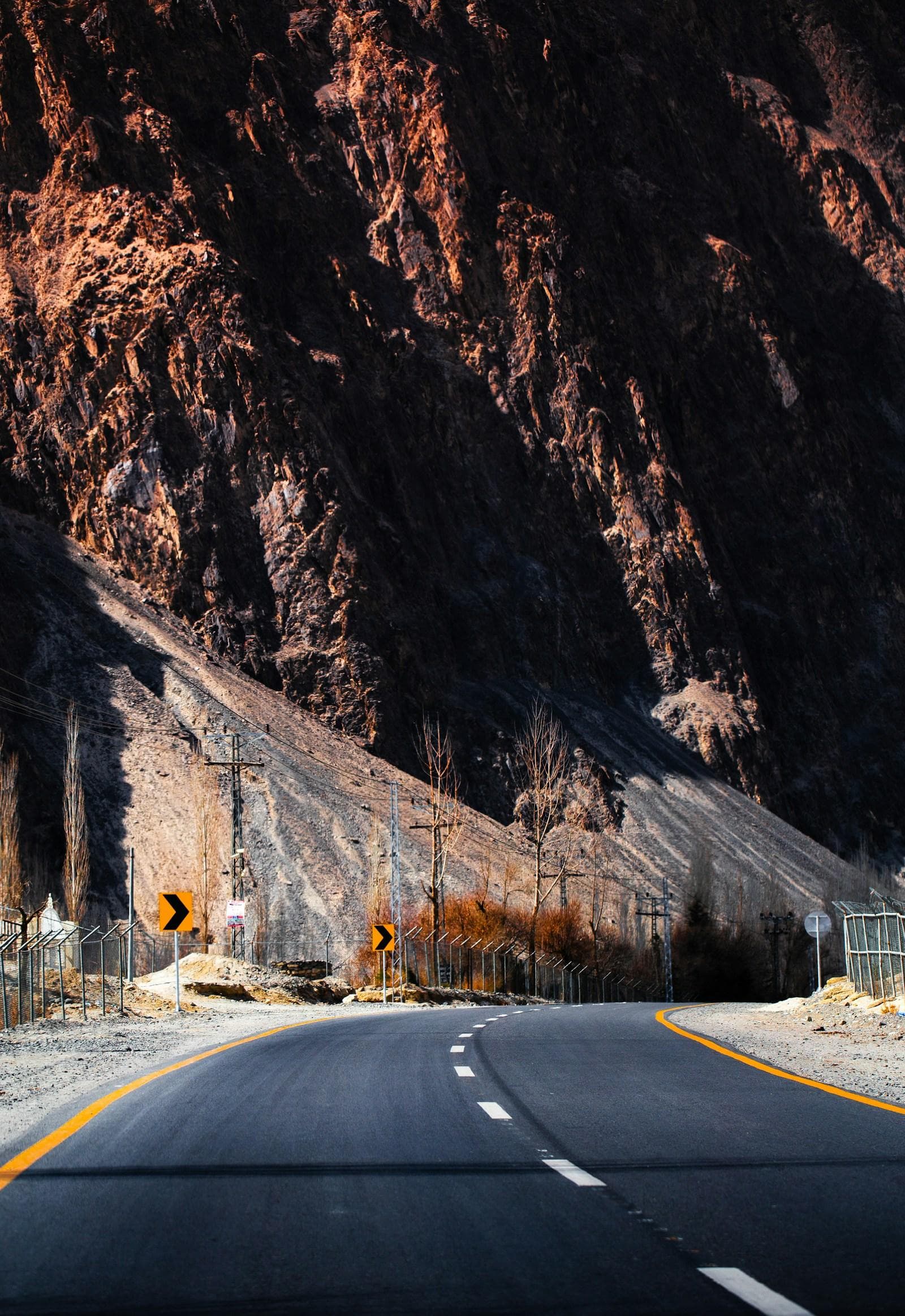
Skardu sits at 2,400 metres in a high-altitude basin in the Karakoram. Its weather follows a clear seasonal pattern: cold winters, warm summers, and two shoulder seasons (spring and autumn) that produce very different conditions from each other. This guide covers what to expect month by month, temperatures, precipitation, road access, and what to pack.
Skardu temperature by month
January to February: The coldest months. Daytime temperatures in Skardu city hover between 0 and 8°C. Nights drop to -10°C or below. Snow in the city is possible but not guaranteed at this altitude; the surrounding mountains are fully snow-covered. Most day-trip destinations are inaccessible. Deosai is closed until June.
March to April: Temperatures climb from 5°C to 20°C during the day. Nights remain cold (0 to 5°C). Spring snowmelt makes some roads unpredictable. April sees the apricot blossoms in Shigar Valley and the orchards around Skardu. Deosai is still closed. A good month for the city, Shigar Fort, and the Kachura Lakes.
Planning a trip to Skardu?
Private 4×4, boutique hotels, and a day-by-day itinerary built around what you want to see.
Free PDF with the daily breakdown, hotels, costs, and the routes we use. No spam. Unsubscribe in one click.
May: Daytime temperatures reach 20 to 25°C. Pleasant travel weather. The Kachura Lakes and Shigar Valley are fully accessible. Deosai road remains closed in most years until late May or early June. Flights to Skardu operate normally in good weather.
June: Full summer begins. Temperatures 22 to 30°C during the day. Deosai opens, typically mid-June. All major attractions accessible. Crowds are lower than July-August; hotel availability better. An excellent month to visit.
July to August: Peak season. Daytime temperatures reach 28 to 34°C in Skardu city, making the lower valley genuinely hot. At altitude on Deosai (4,100 metres) the temperature is 10 to 20°C, dramatically cooler. Deosai wildflowers at their peak in July. Highest tourist numbers of the year. Book hotels 6 to 8 weeks ahead for peak season.
September: Our top recommendation. Temperatures drop to a comfortable 20 to 27°C. Crowds thin after mid-August. Autumn colour begins in Shigar's poplar groves by late September. Deosai still accessible until mid-October in most years. The best combination of access, comfort, and quiet.
October: Temperatures 10 to 22°C. Autumn colour at its peak in Shigar and Khaplu. Deosai road closes mid-to-late October with the first heavy snowfall, check current conditions. Fewer tourists. A strong month for photography and uncrowded visits to the main sites.
November to December: Temperatures fall to 0 to 10°C. Most day-trip destinations become difficult or inaccessible. Skardu city remains reachable by air and road. For cold-weather travellers only.
Rainfall and precipitation
Skardu is semi-arid. Annual precipitation is low compared to Pakistan's monsoon belt. Rain is most likely in spring (March-April) and can occur sporadically in summer. July and August sometimes receive remnants of the south Asian monsoon, which can bring brief, heavy showers. The KKH between Islamabad and Gilgit passes through wetter terrain and can be affected by landslides after heavy rain. Skardu's dry climate means clear skies are the norm for most of the year.
Flight cancellations by season
Skardu Airport (SKT) operates weather-dependent mountain flights. Cancellations happen year-round but are most frequent in spring (March-May) when valley fog in Islamabad is common, and in autumn when cloud cover can be unpredictable. July and August have the fewest cancellations. The road from Islamabad via the KKH (20 to 24 hours) is the reliable backup. Always build one buffer day into both ends of a Skardu trip.
What to pack for Skardu
June to August: Light layers for the valley (T-shirts, light trousers), a warm mid-layer and windproof jacket for Deosai and high viewpoints. Sun protection at altitude is essential: UV intensity at 4,000 metres is significantly higher than at sea level. Sunscreen SPF 50, sunglasses, and a hat are non-negotiable.
September to October: Add a fleece or down jacket. Mornings and evenings are genuinely cold by October. For Eagle's Nest pre-dawn drives (even in September), a proper insulating layer is needed.
Year-round: Sturdy walking shoes or light hiking boots for the fort climbs and Deosai walks. A daypack. Camera gear if relevant. Cash (ATMs exist in Skardu city but reliability is variable; bring enough from Islamabad).
For full season planning, see our complete guide to when to visit Skardu and Hunza. For the broader Skardu travel picture, see our Skardu travel guide. If Deosai is on your itinerary, see the Deosai wildflowers guide for timing the plateau visit around peak bloom. Get in touch with your travel dates and we will tell you exactly what to expect.
Frequently Asked Questions
What is the best weather month in Skardu?
September has the best combination of comfortable temperature (20 to 27°C days), low rainfall, clear skies, and reduced crowds compared to peak season. October is equally good for weather but Deosai closes mid-month. June is excellent if you want full access before the July-August rush.
How hot does Skardu get in summer?
Skardu city (2,400m) reaches 28 to 34°C in July and August. The heat is dry and bearable in the shade. Deosai plateau (4,100m) is dramatically cooler: 10 to 20°C even in peak summer. Most outdoor activities in the city are best done in the morning before midday heat.
Does it snow in Skardu?
Snowfall in Skardu city itself is possible in January and February but not guaranteed at 2,400m. The surrounding mountains and Deosai plateau are snow-covered from November through May-June. The Deosai road is snowbound from October-November until mid-June in most years.
What should I pack for Skardu?
For summer visits: light layers for the valley, a warm mid-layer and windproof jacket for Deosai and high-altitude stops, SPF 50 sunscreen, sunglasses, and sturdy walking shoes. For September-October: add a fleece or down jacket; October evenings and pre-dawn drives to Eagle's Nest require proper insulation.