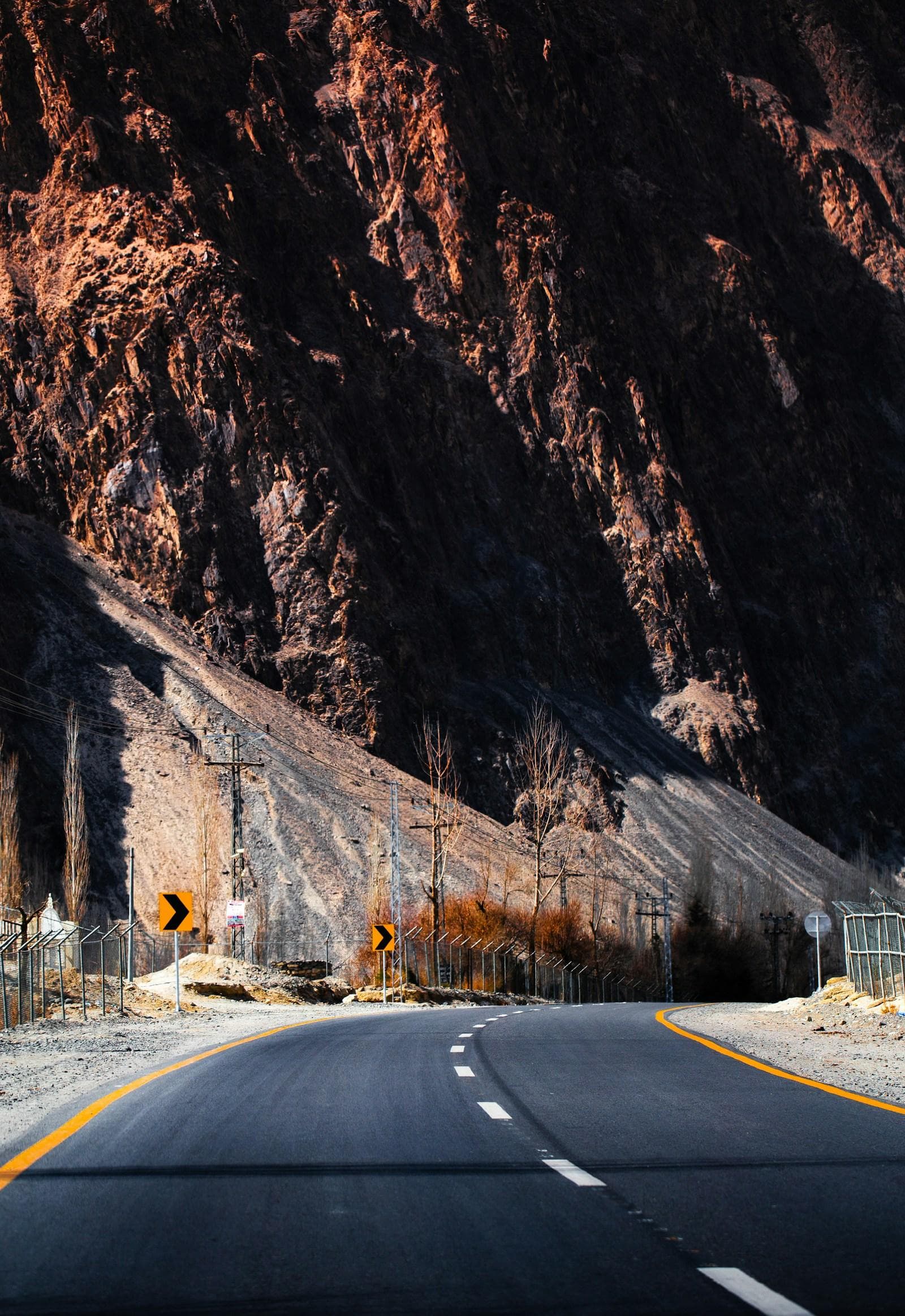
Skardu is where the Karakoram begins. It sits at the confluence of the Indus and Shigar rivers at 2,400 metres, surrounded by mountains that include eight of the world's fourteen eight-thousanders within a few hours' drive. This guide covers everything you need to plan a trip there, honestly and without padding.
Getting to Skardu
By air: PIA flies daily between Islamabad and Skardu. The flight is 45 minutes and one of the most scenic in the world: clear days give you an aerial view of Nanga Parbat, the Karakoram range, and the Indus gorge. The problem is weather-dependent cancellations. Fog in Islamabad or cloud cover in Skardu grounds the flight. In peak season (July-August) cancellations are less common; in spring and autumn they are frequent. Build at least one buffer day into both ends of your trip.
By road: The drive from Islamabad via the Karakoram Highway and Gilgit takes 20 to 24 hours. Most people break it at Besham or Chilas overnight, arriving in Skardu on day two. The road is genuinely spectacular; the drive is genuinely long. If your flight cancels, a private car to Skardu via Gilgit is a reliable backup.
Planning a trip to Skardu?
Private 4×4, boutique hotels, and a day-by-day itinerary built around what you want to see.
Free PDF with the daily breakdown, hotels, costs, and the routes we use. No spam. Unsubscribe in one click.
When to visit
The peak season for Skardu is June through August: all roads open, Deosai accessible, warmest weather, and highest tourist numbers. September and October are Raahi's top recommendation: perfect temperatures, fewer visitors, autumn colour in the Shigar poplar groves, and Deosai still open through mid-October. April-May works for Hunza (blossom season) but Skardu's shoulder season access is limited and Deosai is still closed. Winter (November-March) is for cold-weather adventurers only.
Full seasonal breakdown: When to Visit Skardu and Hunza. Month-by-month guides: July, August, September, and October.
Things to see around Skardu
Deosai National Park: The defining Skardu experience. One of the world's highest plateaus at 4,114 metres, 3,000 square kilometres of rolling grassland, wildflower meadows, and the most reliable brown bear viewing in Pakistan. The road opens in mid-June and closes with the first heavy snowfall in October. July and August are peak for wildflowers and bear sightings. A full day from Skardu. See our Deosai guide.
Shigar Valley: Thirty minutes east of Skardu, the Shigar River runs through apricot orchards and poplar-lined lanes toward one of Pakistan's finest heritage hotels: Shigar Fort Palace, a 400-year-old Balti fort restored by the Aga Khan Trust. The Sarfaranga Cold Desert is 20 minutes beyond the fort: sand dunes at altitude with permanent snowfields as the backdrop. Half day or full day from Skardu, or overnight. See our Shigar Valley guide.
Kharpocho Fort: The 16th-century fort above Skardu city, built by the ruler Ali Sher Khan Anchan. The climb takes 30 minutes. The views over the Indus-Shigar confluence and the Skardu valley from the top are the best you can get from the city without driving anywhere.
Upper and Lower Kachura Lakes: Two glacial lakes above Skardu city, famous for their clear blue-green water. Lower Kachura (Shangrila Lake) is the more popular, with the Shangrila Resort and a garden. Upper Kachura is quieter and more scenic. Both accessible by 4x4 in about 40 minutes from Skardu city.
Khaplu: Three and a half hours east of Skardu along the Shyok River, Khaplu is Baltistan's most underrated town: the Khaplu Palace heritage hotel, the Hushe Valley approach to K6 and K7, and almost no other tourists. Worth a night or two as an extension. See our Khaplu guide.
Where to stay in Skardu
Skardu city: Several mid-range and budget hotels in the city. Book in advance for July-August. The best views are from hotels on the hill above town.
Shigar Fort Palace (Serena): The flagship heritage hotel in Baltistan. Rooms inside a 400-year-old restored fort, Mughal garden, river views. Books up 4-6 weeks ahead in peak season. If you want to stay here, reserve early.
Khaplu Palace (Serena): Less well-known than Shigar but equally impressive: a 700-year-old royal palace on a promontory above the Shyok River. More relaxed atmosphere than Shigar, fewer day-trippers.
How to get around
A private 4x4 is essential for anything outside Skardu city. Deosai requires a 4x4; the Shigar Valley road is unpaved for sections; Khaplu is three and a half hours on a rough road. Raahi uses Land Cruiser Prado as standard for all routes. Public transport exists but is slow, infrequent, and impractical for time-constrained itineraries.
How many days do you need?
Three nights covers the basics: Deosai (full day), Shigar Valley (full day), and Kharpocho + Kachura Lakes (half day). Five nights adds Khaplu and gives you a slower pace. Seven nights is the Raahi standard for the full Baltistan experience including overnight in Shigar and Khaplu. See our 7-day Skardu itinerary for a detailed day-by-day breakdown.
Our tours from Skardu
Raahi operates private Skardu tours year-round. Our itineraries range from a 3-day introductory Skardu tour to a 7-day deep Baltistan tour and a 10-day Baltistan-to-Hunza crossing. All tours use private transport, include hotel bookings, and are organised around your specific group and dates. Get in touch to plan yours.
Frequently Asked Questions
What is the best time to visit Skardu?
September and October are our top recommendation: ideal temperatures, far fewer tourists than peak summer, autumn colour in the Shigar poplar groves, and Deosai still accessible until mid-October. June through August is peak season with all roads open and Deosai at its best for wildflowers. Avoid April and May for Skardu specifically, Deosai is still closed and shoulder-season access is limited.
How many days do you need in Skardu?
Three nights covers the main day trips: Deosai National Park, Shigar Valley, and Kharpocho Fort with the Kachura Lakes. Five nights adds Khaplu and allows a slower pace. Seven nights is our recommended minimum for the full Baltistan experience, including overnight stays in Shigar and Khaplu. See our 7-day Skardu itinerary for a day-by-day breakdown.
Do flights to Skardu cancel often?
Yes. PIA's Skardu route is weather-dependent and cancellations are common, particularly in spring and autumn. Build at least one buffer day into both ends of your trip. If onward travel is time-sensitive, the road route from Islamabad via the Karakoram Highway (20 to 24 hours) is a reliable backup.
Is a 4x4 essential in Skardu?
Yes, for anything outside Skardu city. Deosai requires a 4x4. Shigar Valley has unpaved sections. Khaplu is three and a half hours on a rough road. Raahi uses Land Cruiser Prado as standard for all routes. Public transport exists but is slow and impractical for time-constrained itineraries.
Is Skardu safe for tourists?
Yes. Skardu and Gilgit-Baltistan have an excellent safety record for tourists and are distinct from Pakistan's southern areas. International and solo female travellers consistently report feeling safe throughout their trips. Raahi's guests include solo travellers from Europe, Australia, and North America.