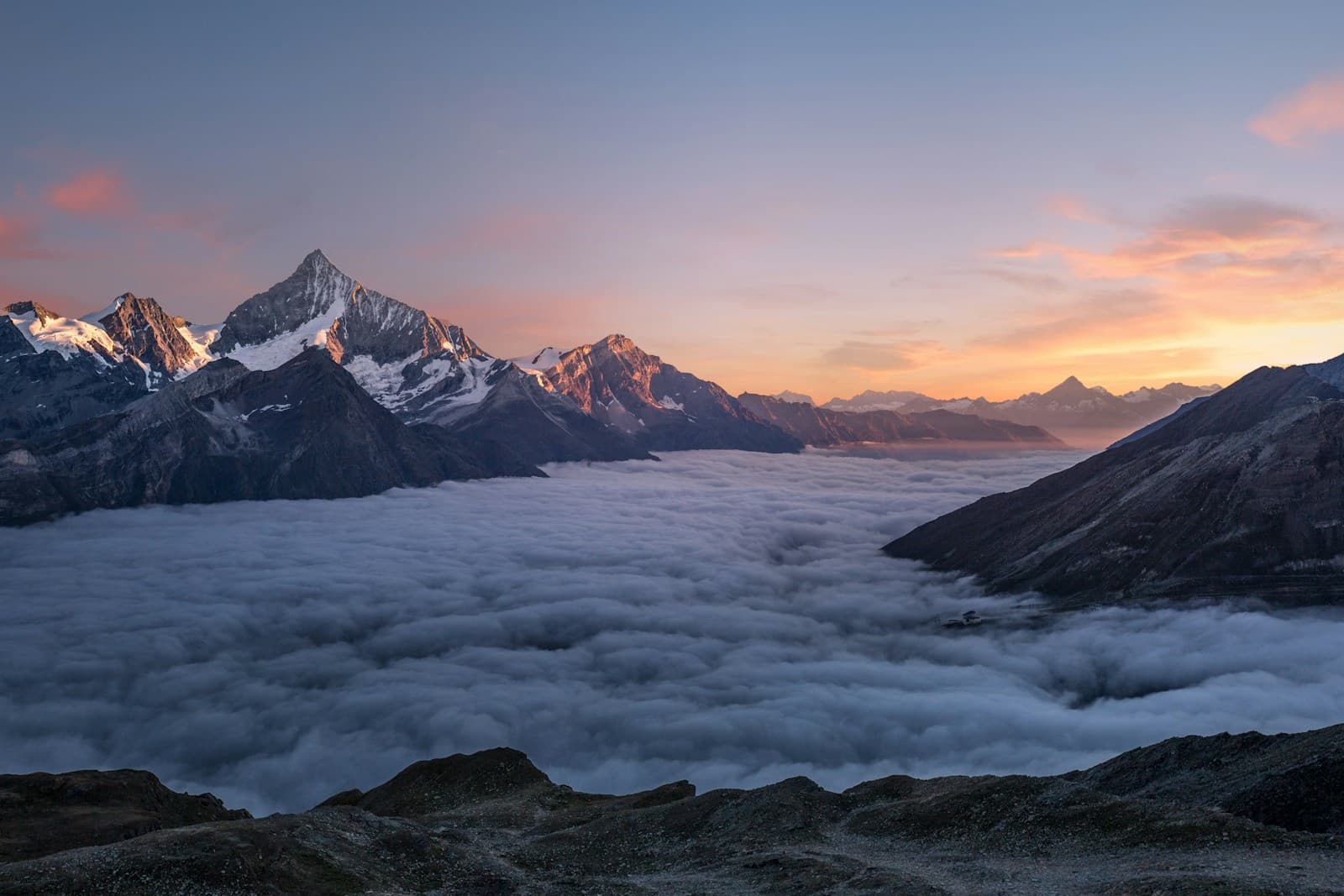
Ten days is the right length for a combined Skardu and Hunza trip. It is long enough to spend genuine time in both valleys, not just transit through, and to include Deosai, Shigar, and the upper Hunza extension to Passu without feeling rushed. This itinerary covers the full crossing from Skardu to Hunza via the Karakoram Highway, with day-by-day logistics, overnight recommendations, and the decisions you will actually need to make on the ground.
The route runs Islamabad → Skardu (fly) → Skardu base → Shigar → Khaplu → Deosai → Skardu → Gilgit → Karimabad → Passu → Karimabad → Islamabad (fly from Gilgit or drive). The total driving distance inside the mountains is approximately 900 kilometres. Most days involve 2 to 4 hours of driving; two days involve 6 to 7 hours.
Day 1: Islamabad to Skardu
Fly Islamabad to Skardu. The flight is 50 minutes and weather-dependent, the route crosses the Himalayas and the Karakoram and is cancelled in cloud or high winds. Book the first available departure (usually 7am) to maximise the chance of flying; later flights are more likely to cancel as afternoon cloud builds. If the flight cancels, you drive: 14 to 16 hours via the Karakoram Highway through Chilas.
Planning a trip to Hunza?
Rakaposhi, Attabad Lake, Baltit Fort, Raahi plans it privately, at the pace you want.
Free PDF with the daily breakdown, hotels, costs, and the routes we use. No spam. Unsubscribe in one click.
Arrive in Skardu by mid-morning if flying. Settle into your hotel, the Indus River strip or Old Town area are the two main clusters, and spend the afternoon at Kharpocho Fort. The fort sits above the town on a rock outcrop and gives you your first view of the Indus gorge and the Karakoram ranges rising behind it. Dinner in Skardu. Rest early: the days that follow are full.
Day 2: Skardu, Satpara Lake and the Cold Desert
Satpara Lake is 10 kilometres south of Skardu, a blue-green reservoir at 2,636 metres surrounded by rock and thorn. The road continues past the lake to the Satpara Valley and, in summer, to the trailheads above. This morning: drive to Satpara, walk the lakeshore, and continue to Upper Satpara if conditions allow.
Afternoon: Skardu's cold desert (Katpana Desert). At 2,226 metres, this is one of the highest cold deserts in the world, a flat expanse of sand dunes against a backdrop of 6,000-metre peaks. It is 30 minutes from Skardu by vehicle. Drive out in the late afternoon when the light is low and the shadows are long. The contrast between the desert floor and the snow peaks is as improbable as it looks in photographs. Return to Skardu for dinner.
Day 3: Skardu to Shigar
Shigar is 30 kilometres from Skardu, a 45-minute drive through a narrowing valley with the Shigar River alongside. The valley deserves a full day: the drive, the village, and Shigar Fort are each worth time. Leave Skardu after breakfast and check in to your Shigar accommodation, Serena Shigar Fort is the obvious choice if budget allows; the restored palace rooms and the garden are exceptional.
Shigar Fort (now the hotel) was the palace of the Rajas of Shigar. Built in the 17th century on a rock above the village, it was restored by the Aga Khan Trust for Culture and opened as a heritage hotel. Even if you are not staying here, the visit is worthwhile. Walk the village lanes in the afternoon, the old wooden houses, the mosques, the apricot orchards along the irrigation channels. Shigar is quieter and slower than Skardu; that is the point. Overnight in Shigar.
Day 4: Shigar to Khaplu
Khaplu is 103 kilometres from Shigar, roughly 3 hours of driving that includes some of the most dramatic river gorge scenery in Baltistan. The road follows the Shyok River through a sequence of narrow defiles and then opens into the broad Khaplu Valley. Khaplu Palace (another Aga Khan restored heritage hotel) sits above the valley floor and is the most atmospheric stay on this entire route.
Arrive in Khaplu by early afternoon. Walk to Khaplu Fort, just above the palace, in the late afternoon. The fort dates to the 17th century and commands a view across the valley toward the Karakoram. The Chaqchan Mosque, a few hundred metres below the palace, is one of the oldest wooden mosques in the region: 14th century, built without nails, in a style that shows clear Central Asian influence. Overnight in Khaplu.
Day 5: Khaplu to Deosai
This is the long drive day: Khaplu to Skardu (3 hours), then Skardu to Deosai Plateau (2 to 3 hours). The Deosai road climbs from the Satpara Valley to a plateau at 4,114 metres, the second highest plateau in the world. The drive from valley to plateau takes under an hour but gains over 1,500 metres. The landscape transition is abrupt: below the plateau is rock and thorn scrub; above it is an open moorland of wildflowers, streams, and 360-degree views to the surrounding peaks.
Deosai opens reliably from late May to late October depending on snowmelt. Before heading up, confirm with locals that the road is clear. The plateau is a national park; brown bears den here and are occasionally visible, especially in early morning near the Sheosar Lake area. Camp on the plateau if you have a tent and cold-weather gear (nights drop below 5°C even in July); otherwise drive across and descend to a guesthouse near the Astore Valley side or return to Skardu for the night. For a deeper look, see the 7-day Skardu itinerary which includes a plateau overnight.
Day 6: Return to Skardu, Transit Day
If you stayed on the plateau, descend to Skardu in the morning. If you returned to Skardu yesterday, use this day for anything from the Skardu list you have not yet covered: the Kachura Lakes (Upper and Lower), the Manthal Rock Buddha, or a longer wander through Skardu bazaar. This day also serves as a buffer if Deosai was closed on Day 5, you can attempt the plateau today instead.
Pack and organise for the next stretch. Days 7 through 10 are in Hunza and require different kit than Skardu: the valley is lower (2,440 metres at Karimabad vs 2,228 metres at Skardu), warmer in summer, with more tourist infrastructure. The drive from Skardu to Gilgit is tomorrow's main event.
Day 7: Skardu to Gilgit to Karimabad
This is the longest driving day: Skardu to Gilgit is 200 kilometres (about 4 hours on the now fully-paved S-1) and Gilgit to Karimabad is 100 kilometres (about 2.5 hours). Total: roughly 6.5 hours in the vehicle. Leave Skardu at 7am to arrive in Karimabad by mid-afternoon.
The Skardu to Gilgit road follows the Indus and then the Gilgit River through some of the deepest gorges on earth. The final approach to Gilgit opens the valley briefly before the road climbs north toward Hunza. Gilgit is a useful stop for fuel, lunch, and any supplies you need. The Karakoram Highway from Gilgit to Hunza is one of the best-known stretches of road in the world: smooth (by mountain standards), dramatic, with Rakaposhi growing on the horizon for the last hour of the drive.
Arrive Karimabad. Check in. If you have afternoon energy, drive immediately to Eagle's Nest at Duikar for sunset, the viewpoint is 45 minutes from Karimabad and puts you 700 metres above the valley floor with five mountain ranges visible. Otherwise, walk the Karimabad bazaar and rest.
Day 8: Karimabad, Baltit Fort, Altit Fort, Eagle's Nest
This is the core Karimabad day. Rise before dawn and drive to Eagle's Nest for sunrise, leave by 5:00am in summer. Back for breakfast by 8:30. Morning: Altit Fort, 4km south of Karimabad on the valley wall above the Hunza River. Older than Baltit, less visited, with the most dramatic cliff-edge drop of any building in the valley. Allow 90 minutes. Midday: Baltit Fort, centrally located in Karimabad above the bazaar. Allow 2 hours including the adjacent heritage village lanes.
Afternoon: free. Options include the Karimabad old town walk (15 minutes from the fort), Ultar Meadows (a 3 to 4-hour hike from the fort to a glacier moraine at 3,500 metres), or simply sitting in the garden of your hotel watching the light change on Rakaposhi. This is the day that tends to make people extend their Hunza stay by an extra night. Overnight Karimabad.
Day 9: Upper Hunza, Attabad Lake and Passu
Drive north from Karimabad toward Passu. The route runs along the KKH through the 2010 landslide zone, the road tunnels through the debris that blocked the valley and created Attabad Lake. The lake is 45 kilometres from Karimabad (about 50 minutes' drive). Stop for a boat ride: the turquoise water against the raw rock walls of the landslide zone is the most unusual landscape on this entire itinerary. Lunch at one of the lakeside restaurants.
Continue 35 kilometres north to Passu (80 kilometres total from Karimabad, 1.5 hours). The Passu Cones, a serrated row of 6,000-metre spires above the valley, are visible from the village and from the Hussaini suspension bridge above it. Walk the bridge (it is one of the most photographed structures in Pakistan: two rope planks over the Hunza River with individual wooden slats and gap), view the cones from the far bank, and return. Drive back to Karimabad by late afternoon. Overnight Karimabad.
Day 10: Karimabad to Gilgit, Departure
Morning in Karimabad. The Rakaposhi viewpoint at Minapin (35 kilometres south on the KKH, easily en route to Gilgit) is worth a stop if you missed it on the way up: a different angle on the peak from much lower elevation, with a short hike available to a closer viewpoint. Allow 90 minutes including the stop.
Continue to Gilgit (95 kilometres, 1.5 hours from Karimabad). Gilgit airport has daily flights to Islamabad; the same weather caveat applies as Skardu, book the earliest departure available. If flying is not possible, the drive to Islamabad is 14 hours via the KKH and Besham. Fly out from Gilgit or drive as required.
Practical Notes
Vehicle: a 4x4 is essential for Deosai, the Khaplu to Shyok road, and Eagle's Nest. The main KKH is paved and manageable in a regular vehicle, but having a 4x4 throughout removes the constraint on side trips. Our Do Wadiyan Retreat covers the Skardu to Hunza crossing in nine days with a private 4x4 and guide, the itinerary above extends it to ten days by adding Khaplu.
Accommodation clusters: Skardu (Days 1 to 2, Day 6), Shigar (Day 3), Khaplu (Day 4), Deosai plateau or Skardu (Day 5), Karimabad (Days 7 to 10). Book Serena Shigar Fort, Khaplu Palace, and any Karimabad hotels in peak season (July to August) at least two to three weeks ahead.
Deosai timing: the plateau is typically open from late May to late October. The exact date varies by year and snowfall. If travelling in May or early June, confirm the road status with your Skardu contact before committing to the Day 5 plan. If it is closed, swap to a Kachura Lakes day or a second Shigar Valley excursion.
For more on individual legs of this trip, see the 7-day Skardu itinerary, the 5-day Hunza itinerary, and the Baltistan road trip itinerary. For the full regional picture, see the Gilgit-Baltistan tour packages guide.
Frequently Asked Questions
How do you get between Skardu and Hunza?
The most common route is Skardu to Gilgit by road on the S-1 (200km, about 4 hours on the now fully-paved highway) and then Gilgit to Karimabad in Hunza on the Karakoram Highway (100km, about 2.5 hours). Total driving distance is roughly 300km, around 6.5 to 7 hours of driving. There is no direct flight between Skardu and Gilgit; both cities have airports with flights to Islamabad but not to each other.
Is 10 days enough for Skardu and Hunza?
Ten days is a good length for a combined trip. It allows 4 to 5 days in the Skardu to Shigar to Khaplu to Deosai area and 3 to 4 days in Hunza, with a day for the inter-valley transit. You will not feel rushed at the main sites. Going shorter than 7 days for both valleys means you are passing through rather than visiting.
Should I fly into Skardu or Gilgit?
Fly into Skardu and out of Gilgit (or vice versa) so you are not doubling back. This makes the itinerary linear: Islamabad → Skardu → overland to Gilgit → Islamabad. Both airports have daily PIA flights to Islamabad. Both are weather-dependent; book the earliest departure and have a backup plan for driving if the flight cancels.